Blue Tree Outdoor Living selects plants for Southeastern PA by matching each property’s USDA hardiness zone, soil, moisture, sunlight, deer pressure, mature space, and maintenance plan. Native species can be strong choices when they fit the site, but no plant list works everywhere.
Blue Tree Outdoor Living selects plants for Southeastern PA by matching each property's USDA hardiness zone, soil, moisture, sunlight, deer pressure, mature space, and maintenance plan. The right shortlist starts with the property’s light, soil, drainage, exposure, mature-size constraints, and maintenance plan. A lasting palette starts with property conditions, then accounts for year-round structure and care.
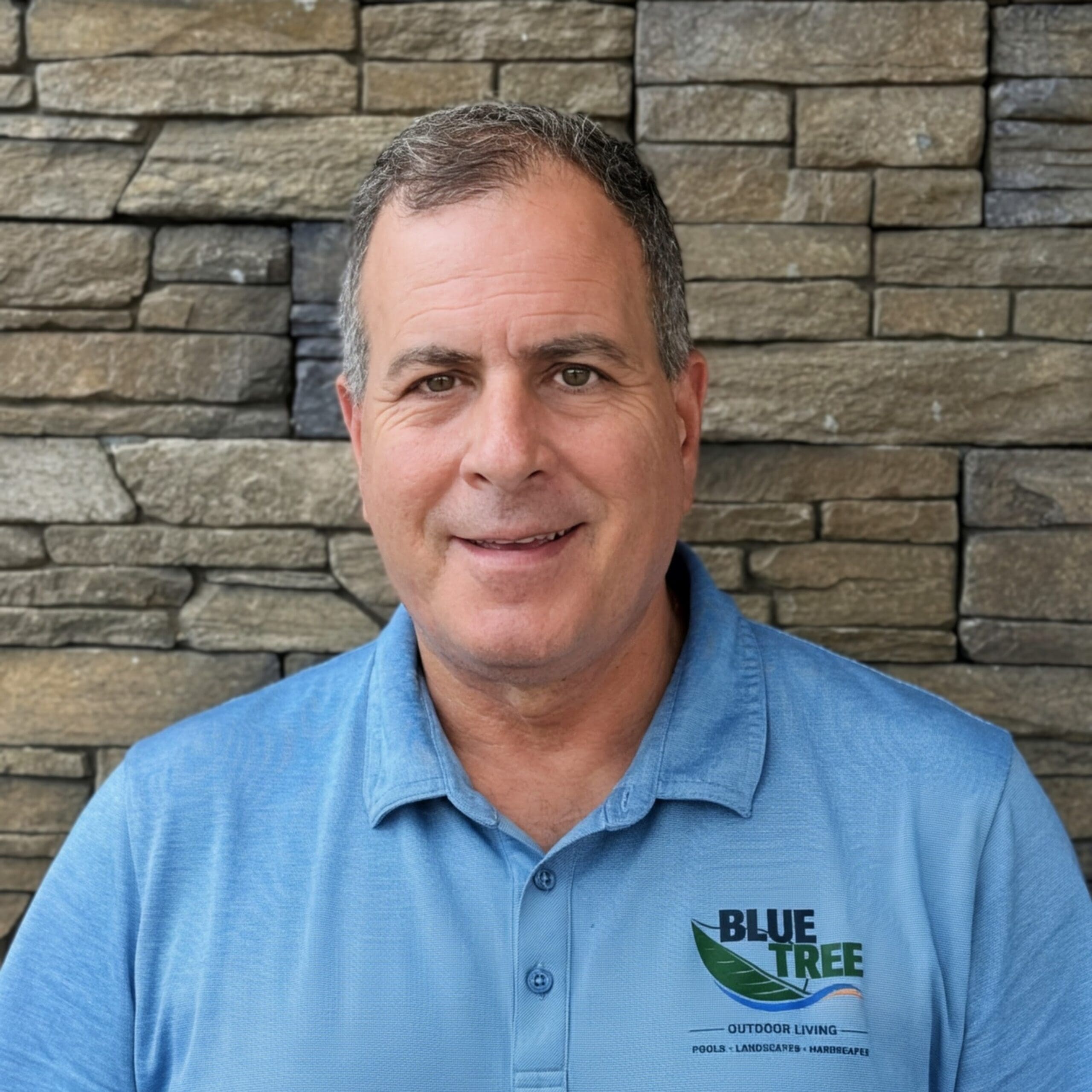
Written by Stephen Roehm, Landscape Designer and Sales Professional at Blue Tree Outdoor Living. Stephen holds a Penn State degree in Landscape Contracting and develops custom designs and detailed estimates for Blue Tree clients.
A regional plant list can offer ideas. It cannot see the low area beside your patio, the reflected heat near a wall, the shade pattern under mature trees, or the browsing pressure along a wooded edge. Those conditions decide whether a plant has a fair chance to establish.
The screening process below keeps a plant choice tied to the property instead of treating a nursery tag as a complete design specification.
| Site question | What to verify | Why it affects selection |
|---|---|---|
| Hardiness | Property ZIP code in the USDA lookup | Confirms the average annual extreme minimum winter temperature band used for plant hardiness planning. |
| Sunlight | Hours and timing of direct sun during the growing season | Morning sun, afternoon heat, and deep shade create different planting conditions. |
| Moisture and drainage | Where water drains, collects, or leaves the site | A plant suited to a moist area may fail on a dry slope, while a dry-site plant may fail where roots stay wet. |
| Soil context | Mapped soil information, field observations, and testing when needed | Texture, compaction, drainage, and other site conditions affect root establishment. |
| Mature size | Expected height, width, and clearance from structures | A plant that fits at installation can outgrow a path, window, utility area, or neighboring plant. |
| Deer pressure | Observed browsing on the property and nearby sites | Resistance language is a risk indicator, not a guarantee against browsing. |
| Maintenance | Watering, pruning, cleanup, replacement tolerance, and time available | The plant list should fit the care the household intends to provide. |
A USDA Plant Hardiness Zone describes the average annual extreme minimum winter temperature. The 2023 USDA Plant Hardiness Zone Map lets homeowners search by ZIP code. Use the property lookup instead of assigning one zone to an entire county.
Zone 6b represents an average annual extreme minimum temperature from minus five to zero degrees Fahrenheit. Zone 7a represents zero to five degrees Fahrenheit. The zone helps screen for winter hardiness. It does not describe soil, summer heat, moisture, wind, road salt, shade, or deer pressure.
A plant at the edge of its listed range deserves more site review. Exposure, drainage, snow cover, wind, and placement near heated structures can affect conditions within one property. The zone is one filter in the decision, not a promise that a plant will succeed.
Soil, drainage, sunlight, and deer pressure matter because they determine which plants can establish and remain manageable on a property. Use the USDA Web Soil Survey for preliminary soil information, then confirm field conditions before finalizing planting or drainage decisions.
Observe the property after rain. Record which areas stay wet, which surfaces shed water toward beds, and where downspouts discharge. On slopes, note where soil washes or dries first. These observations help a designer distinguish a wet planting area from a drainage problem that needs separate review.
Sun labels also need context. A bed that receives direct morning sun has different conditions than a bed exposed to late-day heat. Record the hours of direct sun during the growing season and note shade from buildings, fences, and tree canopies.
Treat deer pressure as a property condition. No plant should be described as deer-proof. A plant described as deer-resistant or less preferred may still be browsed when local pressure or food availability changes. Species-level resistance claims need a current government or university extension source before they belong in a recommendation.
Pennsylvania native plants still need to be matched to sunlight, moisture, drainage, mature size, soil conditions, and the maintenance plan. The Pennsylvania Department of Conservation and Natural Resources native-plant guidance provides a starting point for that work.
Verify the scientific name before assigning native status. Common names can refer to more than one species, and cultivars may carry trade names that hide the underlying plant. The Pennsylvania Natural Heritage Program vascular plant checklist supports a scientific-name and state-status check.
Statewide native status does not prove that a plant fits every Southeastern PA property. It also does not supply the full sunlight, moisture, spacing, deer, or maintenance record needed for a site-specific choice. Each retained recommendation needs its own claim ledger before publication.
Start with a broad functional need, then narrow the list with official records and site evidence. A screening workflow can follow this order:
This process may produce a different shortlist for the front walk, a shaded side yard, a rain-garden area, and the edge of a sunny patio. That is expected. The site should shape the list.
Resistance labels should be read as qualified observations, not guarantees. A useful plant record states the named species, the source behind the resistance language, and the conditions under which the claim was made. It should also tell the reader that browsing can change with local pressure and available food.
This article does not publish a deer-resistant species list because the required species-level ledger is not complete. A final recommendation should pair the source record with evidence from the property. Visible browse lines, damaged buds, tracks, and nearby feeding patterns can inform that discussion.
Where browsing pressure is high, the design discussion may include placement, barriers, temporary establishment protection, and replacement tolerance. Those choices belong in the site plan rather than in a universal list.
A service-area list and a quarantine area are different records. Quarantine boundaries can change, so do not use a fixed county list as a current status check. Review the Pennsylvania Department of Agriculture's live Spotted Lanternfly quarantine and permitting map for the property.
The quarantine map answers a regulatory location question. It does not decide whether a plant fits the site. For current host, symptom, and management information, consult the Penn State Extension Spotted Lanternfly FAQ and the current Pennsylvania Department of Agriculture guidance.
Check these resources again when the plant list is finalized and before work that could move regulated material. Record the live-check date in the working ledger.
A rain-garden label does not mean the entire bed stays wet. The inlet, basin, side slope, and upper edge can hold different moisture conditions. Penn State Extension's rain-garden resources organize planning around wet, moist, moist-to-dry, and dry areas.
Before selecting plants, confirm where water enters, how long it remains, and where overflow leaves. Soil infiltration, outlet design, mature plant size, and maintenance access also belong in the review. If the area has persistent standing water or a broader drainage problem, start with a site assessment instead of treating the planting list as the remedy.
See drip irrigation for new landscape plantings for Blue Tree's installation scope. Blue Tree does not offer full lawn sprinkler-system installation.
Once a candidate passes the site-fit checks, compare how the full bed works through the year. Review mature form, bloom timing, foliage, winter structure, habitat goals, and the cleanup the household wants to perform. A strong plan should not depend on one short bloom period.
Use a drawing to check mature spacing and overlap. Keep sightlines, doors, windows, paths, utilities, and maintenance access visible on that plan. Group plants with compatible moisture needs where the site allows it.
Define the establishment plan before installation. New plants need an agreed watering method, monitoring schedule, and responsibility for follow-up. The long-term care plan should account for pruning, division, seasonal cleanup, replacement, and changes in shade as the landscape matures.
Blue Tree starts with the site, then builds the plant list. The design review considers hardiness, sunlight, soil context, drainage, mature space, deer pressure, native or introduced status, quarantine information, and the homeowner's maintenance expectations.
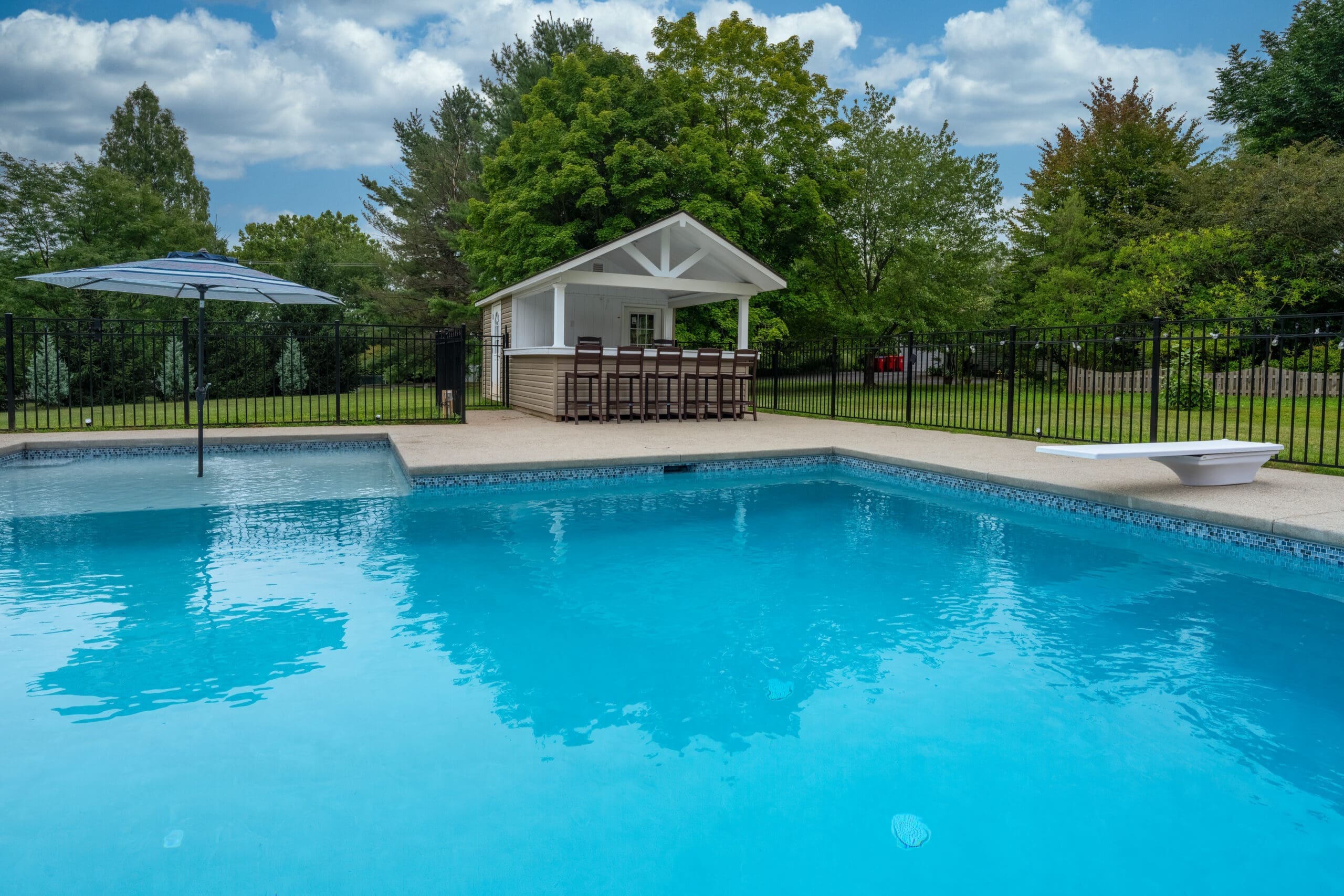
The same process applies when planting beds meet patios, walls, paths, or pool decks. The guide to how hardscape and softscape work together explains why grading, drainage, access, and mature growth should be coordinated before installation.
For a broader property review, see what to expect from a landscape design consultation. If planting belongs to a pool project, the complete-backyard pool cost planning guide helps frame the larger scope.
Planting guidance is not a site-specific prescription. Sun, soil, drainage, mature size, deer pressure, and maintenance preferences should be evaluated at the property before final selection.
USDA Zone 6b represents an average annual extreme minimum temperature from minus five to zero degrees Fahrenheit. Zone 7a represents zero to five degrees Fahrenheit. Use the USDA ZIP-code lookup for the property rather than assigning one zone to a whole county. Blue Tree then checks sunlight, soil, drainage, and the other site conditions the zone does not cover.
There is no universal answer. Pennsylvania native plants still need the right sunlight, moisture, drainage, mature space, soil conditions, and maintenance plan. Blue Tree uses native status as one screening factor, not as a guarantee of low maintenance or site fit.
No plant should be treated as deer-proof. A species may be described as deer-resistant or less preferred only when a current government or university extension source supports that language. Blue Tree also considers browsing observed on the property because local pressure and food availability can change the result.
Yes, if the plant list and bed design fit the care you plan to provide. No garden is maintenance-free. Blue Tree considers establishment watering, mature spacing, pruning, cleanup, replacement tolerance, deer pressure, and drainage before calling a plan low maintenance.
Blue Tree begins with a site walk and the homeowner's goals. The design team checks the property's USDA zone, sunlight, soil context, drainage, mature space, deer pressure, state plant records, current quarantine information, and maintenance plan. Species-specific recommendations should follow only after those records are complete.
A Blue Tree designer can review the site conditions, maintenance goals, and current records before a plant list is finalized.
Share with your community!
A short form · Your information is private