What to Expect from a Landscape Design Consultation in Southeastern PA

I have been meeting homeowners at their back doors for more than four decades. The conversation starts the same way almost every time: they apologize for the yard. Too much shade. Bad slope. The old deck is rotting. They are not sure where to start or what anything costs. By the time we finish walki...

I have been meeting homeowners at their back doors for more than four decades. The conversation starts the same way almost every time: they apologize for the yard. Too much shade. Bad slope. The old deck is rotting. They are not sure where to start or what anything costs. By the time we finish walking the property together, that uncertainty is mostly gone. That is what a landscape design consultation is for, and it is exactly what we do at Blue Tree Outdoor Living before any design work begins.

This article walks through every step of our process, from the moment you schedule a visit to the day ground breaks on your project. If you have been putting off a call because you are not sure what you want or what you can afford, read this first. Most of the hesitation I hear comes from misunderstanding what the consultation actually involves.

What to Prepare Before the Consultation

You do not need a fully formed vision before the consultation. But the more you bring to the first visit, the faster the design work moves. Here is what is worth gathering in the week before your designer arrives.

Your property survey or plot plan, if you have one. A survey shows the legal property lines, easements, and setbacks your municipality requires. This is the document that tells a designer exactly where structures can and cannot go. If you purchased your home, it likely came with a survey. Check your closing documents. If you cannot find one, that is fine, your designer can work from their site observations, but having the survey in hand speeds up the permit drawings phase considerably.

Your HOA rules, if your community has an HOA. Many communities in Montgomery, Bucks, Chester, and Delaware Counties have architectural review committees that must approve structural additions, hardscape materials, fence styles, and pool enclosures before work can begin. If your HOA requires approval, the design process needs to account for that review cycle. Bring the relevant sections of your HOA documents or community design standards to the consultation. Your designer needs to know the constraints before the first sketch.

Reference images of designs you like. A folder of images, whether saved on your phone or printed, is enormously useful. You do not need to know why you like them. Your designer can read the patterns: what materials attract you, what degree of formality feels right, what scale works for how you think about your yard. Three to five reference images of spaces you genuinely like are worth more than a detailed verbal description.

A rough sense of what is not working now. Write down three things that bother you about the current yard. Water pooling after rain. No shade over the patio. No privacy from the neighbor. A deck that is too small for how you actually use it. The problems are as useful as the goals, because they tell the designer what the new plan has to solve, not just what it should include.

Any deed restrictions or easements you know about. Beyond HOA rules, properties sometimes carry deed restrictions (no pools, no outbuildings above a certain height) or utility easements that prohibit permanent structures in certain areas. If you know about any of these, flag them at the start of the consultation rather than discovering them mid-design.

The On-Site Consultation: What a Designer Assesses

The on-site consultation runs about 90 minutes. That time splits roughly in half: the first part is a property walk, and the second part is a conversation at the table or on the deck about how your family actually lives outside.

During the property walk, your Blue Tree designer is reading the land. Not every backyard is the same, and the conditions we find shape everything that follows. Here is what we are looking at and why it matters:

  • Slope and grade. Slope determines where water flows, which affects pool placement, patio drainage, and retaining wall requirements. A yard that looks flat to you may have a three-foot grade change that drives cost and design decisions.
  • Soil conditions. The dominant soils in Southeastern PA tell the designer a lot before a shovel goes in. Worsham series soils, common in low-lying areas throughout our service region, are seasonally wet, clay-heavy, and drain poorly. Conshohocken Loam is the moderate clay soil on most residential lots in Montgomery and Chester Counties. Cecil sandy loam, found on upland well-drained sites, is the most construction-friendly. Manor soils on shale slopes in Chester and Montgomery Counties and Baxter soils on limestone formations in northern Chester and Montgomery Counties each have different engineering implications for pools, walls, and drainage systems. Your designer observes soil texture, drainage patterns, and visible indicators during the walk and flags anything that needs further investigation.
  • Drainage patterns. Where does water collect after a heavy rain? Are there low spots, downspout discharge issues, or a neighbor’s runoff crossing your property? Drainage problems caught before design save significant money compared to addressing them mid-project.
  • Sun exposure and microclimate. Which areas get morning sun, afternoon shade, or full-day exposure? The designer notes sun angles by zone. A pool that sits in full afternoon shade is a pool that does not get used. A patio in full western sun from 1 to 7 pm in July is uncomfortable without a shade structure. The designer also notes microclimates: cold air drainage in low spots, frost pockets near the house foundation, wind exposure from the north or west, and areas with reflected heat from south-facing walls. These microclimate factors directly affect plant selection, pool heating costs, and where a shaded lounge area should sit.
  • Equipment access. Excavators, skid steers, and material deliveries need a path in. We map gate widths, overhead obstructions, and any obstacles that affect construction sequencing.
  • Existing structures and utilities. We note the house footprint, outbuildings, buried utility lines, and setback requirements that limit where structures can go.

After the property walk, we sit down and talk about you. Budget range, how the family uses the outdoor space now, what they wish they had, and what they want to feel when they walk outside. That conversation is equally important. A backyard for a family with young children looks different from one built for a couple who entertains adults on weekend evenings. We need both the site data and the lifestyle data before any design can be accurate.

Who Comes to Your Consultation

Your consultation is led by a Blue Tree designer with site assessment expertise. That distinction matters more than it might sound at first.

At most companies, the person who comes to your home is a salesperson. Their job is to close a contract. The questions they ask are shaped by that goal, and the conversation has a different texture because of it.

At Blue Tree, the person walking your property is a designer. Their job is to understand what the site can do and what your family needs. They are not carrying a price sheet to push you toward a number. They are gathering information so that the design they bring back in two to four weeks actually fits your yard and your life.

That means you can be honest about uncertainty. You can say you are not sure whether you want a pool or a patio or both. You can say you have no idea what your budget is. You can say you saw something on a design website and you are not sure if it works in your yard. None of those admissions slow the process down. They give the designer the raw material to work with.

You can meet the design team on our website if you want to know who you might be working with before the consultation.

SE PA-Specific Questions to Ask Your Designer

A good landscape designer in Southeastern Pennsylvania should be fluent in the region’s specific site challenges. These are questions worth asking directly, both to get useful information and to assess whether the designer you are talking to has genuine local depth.

How do you handle Worsham clay drainage? Worsham series soils are seasonally saturated, meaning they hold water for extended periods after rainfall. A designer who responds with “we’ll add some amendments and mulch” is not taking drainage seriously. A designer who asks whether you have observed standing water, where the low point is, and then discusses drain tile, French drains, or rain garden integration is engaging with the actual problem. In Southeastern PA, drainage is not a secondary issue. It is often the primary one.

What is your approach to deer pressure on this design? Deer pressure throughout our seven-county service area is high. A plan that does not account for deer will be browsed within the first season, particularly in areas near wooded corridors, farm edges, or open space. Ask the designer whether they build deer-resistant plant palettes by default, whether they recommend physical deterrents for high-value plantings, and how they think about the deer-resistant versus deer-proof distinction. The honest answer is that nothing is deer-proof under high pressure in a hard winter, but a thoughtful palette dramatically reduces losses.

How do you manage Spotted Lanternfly host plants in the design? Spotted Lanternfly (Lycorma delicatula) is under quarantine in all seven counties we serve, and its population has increased substantially in Lehigh and Berks Counties over the last two years. The insect’s preferred host is Tree of Heaven (Ailanthus altissima), but it feeds on a wide range of plants including some natives (Salix species, certain Prunus). A well-informed designer discusses Spotted Lanternfly proactively when reviewing any design that includes its known hosts, and knows the Pennsylvania Department of Agriculture guidance for property management in the quarantine zone.

How do you approach planting for zone 6b sites versus zone 7a? Southeastern PA spans USDA hardiness zones 6b and 7a, with Boyertown and Bally in northern Berks County, Center Valley in Lehigh County, and inland portions of upper Montgomery County sitting in zone 6b (minimum winter temperatures of negative 5 to 0 degrees Fahrenheit). Much of Delaware County, lower Montgomery County, and Philadelphia trend toward 7a (0 to 5 degrees). A designer who cannot distinguish between these zones for plant selections is working with incomplete information. If your property is in Boyertown and the designer recommends a plant rated to Zone 7, ask about that specifically.

What the Landscape Design Document Actually Contains

After the consultation, your project moves into the custom design phase. This takes 2 to 4 weeks depending on project complexity and the current volume of active designs in our studio.

What you receive is not just a rendering. A complete landscape design document from Blue Tree includes:

A scaled site plan. This is the top-down drawing that shows the property with accurate dimensions, structure locations, and all proposed elements placed in their correct positions. The site plan is the document that feeds the permit application and guides every trade through construction.

A plant list with zone validation. Every plant on the list is specified by botanical name, common name, size at installation, and mature size. For our zone-sensitive service area, the plant list also identifies each species’ hardiness zone rating so you can see that every selection is appropriate for your site’s specific zone. A plant list without zone validation is not a professional document.

A phasing schedule. For projects where budget does not permit building everything at once, or where sequencing multiple elements over two or three seasons makes sense, the design document includes a phasing schedule that shows what gets built first, what follows, and what can wait. The phasing schedule is not arbitrary. It is built around the logic that hardscape comes before softscape, drainage is designed before planting, and each phase sets the conditions for the next one correctly.

A 3D concept rendering. This is the view most clients recognize and respond to: a realistic three-dimensional view of the finished space with the house in frame. You see how the pool relates to the roofline, how the planting bed reads against the patio edge, how the lighting works at dusk. Revisions happen at this stage, before any excavation begins. That is the point of the rendering.

How to Evaluate a Landscape Design Proposal

When comparing proposals from multiple landscape design firms, or evaluating whether a single proposal represents genuine professional value, these are the questions to ask.

Is the plant list zone-matched for 6b or 7a? This is the fastest quality check. If the plant list includes species not rated for your site’s zone, or if the list uses common names only without botanical names, the designer did not do the work. A professional plant list is zone-specific, botanically named, and sized at installation with mature dimensions noted.

Does the drainage solution match the actual soil type on your property? If your yard has Worsham clay and the drainage plan is “mulch the beds well and grade away from the house,” the plan is inadequate for your soil. Worsham series soils require active drainage solutions: subsurface drain tile, dry creek beds that function as drainage swales, or designed rain gardens that accept and filter runoff. Ask the designer to explain the drainage plan specifically relative to what they observed about the soil during the site walk.

Is the installation phased reasonably? A phasing plan that puts softscape before hardscape is backwards. Ask the designer to explain their sequencing logic. The correct sequence for a project with both hardscape and softscape elements is: finish grade and drainage infrastructure first, hardscape construction second, finished grade confirmation third, planting and turf installation last. If the phasing puts planting beds in before the patio is built, plants will be removed or relocated during hardscape construction.

Does the proposal account for your specific regulatory context? For a project with pool, major grading, or significant hardscape, confirm the proposal includes a statement about permit responsibilities and addresses impervious surface coverage for your lot. If impervious limits are relevant, the designer should be able to tell you whether the design stays within your municipal limit or requires a variance.

What Happens After the Consultation

After you approve the design, we produce a full project proposal. It is itemized. You see every line before you sign anything.

The proposal covers:

  • Scope of work, broken down by phase and trade (excavation, pool shell, patio, landscape, drainage, lighting).
  • Materials, specified by product name, manufacturer, and grade where applicable. You know what you are getting, not just a category.
  • Project timeline, including estimated start date, construction sequence, and projected completion window.
  • Payment schedule, structured around project milestones rather than arbitrary calendar dates.

We walk through the proposal with you before asking for a signature. If something in the line items raises a question, we answer it. If a material substitution would reduce cost meaningfully, we note it. The goal is a proposal you understand completely, not one you hope is accurate.

See how our process works from consultation through completion for the full picture.

From Proposal to Ground Breaking

After you sign the proposal and make the initial deposit, two things happen in parallel: permitting and construction scheduling.

Permitting timelines vary significantly by township. In Montgomery, Bucks, Chester, Delaware, Lehigh, Berks, and Philadelphia Counties, permit review windows range from 2 to 8 weeks depending on the municipality and the scope of work. Pool construction, structural hardscape, and drainage work typically require permits. Purely soft-surface landscape work often does not. We handle permit applications as part of our project management service.

Construction sequencing matters on integrated projects. A project that includes a pool, patio, drainage, and landscape follows a defined order: excavation and pool shell first, then structural hardscape, then drainage systems, then landscape grading and planting, then lighting and final finishes. Each phase depends on the one before it. We build that sequence into the proposal timeline so you know what to expect at each stage.

Weather affects outdoor construction in Southeastern PA more than most homeowners anticipate. The spring planting window here opens in late March to May, but pool and hardscape construction can often begin earlier if the ground has thawed past the 36-inch frost depth standard for our region. Fall planting runs mid-September through mid-November for most trees, shrubs, and perennials, and is actually preferable to spring planting for many woody species. We communicate schedule implications proactively and build weather windows into the project timeline from the start.

Common Misconceptions About Landscape Consultations

Three things I hear repeatedly that are not true:

You do not need to know exactly what you want. Most homeowners who call us have a feeling, not a plan. They know something is not working, or they have a rough idea of one feature they want. The consultation is designed to draw out the rest. That is the designer’s job. Coming in with a vague sense of direction is normal and workable.

You do not need a large budget. Blue Tree works at a range of scales. Some of our most satisfying projects are focused renovations, not full-yard overhauls. A well-designed entry planting, a single-tier patio, or a drainage repair done properly will outperform a sprawling project done poorly. The consultation helps right-size the scope to your actual goals and actual budget.

You are not committing to anything at the consultation. The consultation is free. The design phase that follows is also part of our process before any contract is signed. You do not owe us a project because we walked your yard. Some homeowners use the consultation to clarify what they actually want before deciding whether to proceed. That is a legitimate use of the visit.

How Blue Tree Coordinates When the Project Includes a Pool, Patio, and Landscape

One of the consistent frustrations homeowners describe after working with multiple contractors is the coordination gap. The pool company finishes, then the patio company starts, and nobody told the patio company where the pool equipment was going. The patio ends up too close to the equipment pad. The landscape contractor plants around edges they did not help design. The lighting contractor runs conduit through finished hardscape.

At Blue Tree, one designer leads the entire project. Pool construction, patio and hardscape, planting and turf, drainage, and outdoor lighting are all planned together from the first consultation. The landscape design process accounts for pool placement, equipment locations, utility routing, and planting adjacencies before the first stake goes in the ground. There is no handoff between separate contractors because there are no separate contractors. The same company handles every trade.

For projects that include garden design as part of a broader landscape plan, the same integrated approach applies. Garden beds, seasonal plantings, and screening hedges are designed alongside the structural elements, not added afterward as a fill-in step.

That integration reduces surprises during construction and produces a finished result that looks like it was planned as a whole, because it was.

Getting the Most From Your Consultation: A Preparation Checklist

Before your designer arrives, spend 10 minutes doing the following:

  • Walk the yard once and note where water sits after rain.
  • Measure or estimate gate widths (important for equipment access).
  • Locate your utility flags or call 811 if you have not had utilities marked recently.
  • Pull any HOA rules or deed restrictions that affect structural additions.
  • Locate your property survey from your closing documents if available.
  • Write down three things that bother you most about the current yard.
  • Write down three things you want to feel or do in the finished yard.
  • Gather 3 to 5 reference images of designs you like.
  • Have a rough sense of your timeline (planning for next summer vs. open-ended).
  • If a spouse or partner will be part of project decisions, plan for them to be present at the consultation.

None of these items are required. But the more information your designer has at the start of the visit, the more targeted the 90 minutes will be.

Ready to schedule? Request a Free Consultation and a Blue Tree designer will reach out to set a time.

Frequently Asked Questions

Is the landscape design consultation free?

Yes. The on-site consultation is free and carries no obligation. We visit your property, assess site conditions, talk through your goals, and gather everything we need to begin the custom design phase. There is no charge for the visit and no contract to sign before or after it.

Do I need to have a budget in mind before the consultation?

Not precisely. A rough range is helpful (under $50,000, between $50,000 and $150,000, or over $150,000) because it lets us calibrate scope and material choices before we begin designing. If you genuinely have no sense of the numbers yet, that is fine too. The consultation itself will give you enough context to form a range, and we can discuss phasing options that let a larger project build over time.

How long does the consultation take?

Plan for 90 minutes on-site. The first half is a property walk where your designer assesses slope, drainage, soil, sun exposure, and microclimate. The second half is a conversation about how your family uses the space and what you want the finished yard to do. Some consultations run longer when the project scope is complex or involves multiple site challenges such as Worsham clay drainage, significant slope changes, or regulated wetland proximity.

How soon can I get 3D renderings of my backyard?

Typically 2 to 4 weeks after the consultation, depending on project complexity and our current design volume. The rendering shows a three-dimensional view of the finished space with your house in frame, including pool, hardscape, plantings, and lighting. You review it, request revisions, and approve the design before any work begins.

What is the difference between a landscape designer and a landscape architect?

A licensed landscape architect holds a state-issued professional license and is qualified to stamp engineered drawings for permitted structural work, large-scale grading plans, and public or commercial projects. A landscape designer focuses on residential outdoor environments, including planting plans, hardscape layouts, pools, lighting, and drainage. For residential landscape projects in Southeastern PA, a landscape designer handles the vast majority of what homeowners need. When a project requires stamped engineering drawings, typically for significant grade changes, complex drainage infrastructure, or floodplain proximity triggering PA DEP Chapter 105 review, we coordinate with licensed professionals. Blue Tree has built more than 15 years of pool and outdoor living projects across Montgomery, Bucks, Chester, Delaware, Lehigh, Berks, and Philadelphia Counties without that distinction being a barrier to any residential scope we have taken on.

What if my yard has standing water or drainage problems?

Drainage problems are one of the most common issues we address in Southeastern PA, particularly on properties with Worsham series soils in low-lying areas. The consultation is the right place to start. Your designer will observe drainage patterns during the site walk, note low spots and discharge points, and assess whether the issue is surface runoff, a high water table, or poor soil infiltration. From there, the design can incorporate the appropriate solution: French drains, dry creek beds, rain gardens, regrading, or subsurface collection systems. We do not design around drainage problems. We solve them as part of the design.

A man in a light blue Blue Title polo shirt stands in front of a stone wall, smiling slightly at the camera.

Jeff Mattiola

Led by Jeff Mattiola, our Owner and President, and Chad Ochnich, our Owner and Vice President, we combine decades of experience and a passion for excellence in every project. At Blue Tree Landscaping, we are dedicated to transforming your outdoor spaces into beautiful, functional environments that you can enjoy for years to come.

Share with your community!

In this article

Ready to Start?

Whether you're dreaming of a resort-style pool, a patio built for gathering, or a landscape that finally feels like you, let's talk.
  • No Obligation
  • Free On-Site Visit
  • Custom Design Proposal
Blue Tree Outdoor Living
  • © 2026 Blue Tree Landscaping, Inc., dba Blue Tree Outdoor Living. All Rights Reserved.
Blue Tree Outdoor Living
Employment Application
Blue Tree Outdoor Living
APPLICANT INFORMATION
Are you a citizen of the United States?
Have you ever worked for this company?
Have you ever convicted of a felony?
If no, are you authorized to work in the U.S.?
EDUCATION
Did you graduate
REFERENCES

Please list three professional references.

REFERENCE #1
REFERENCE #2
REFERENCE #3
PREVIOUS EMPLOYMENT
DISCLAIMER AND SIGNATURE

I certify that my answers are true and complete to the best of my knowledge.

If this application leads to employment, I understand that false or misleading information in my application or interview may result in my release.

Resources and Get in Touch
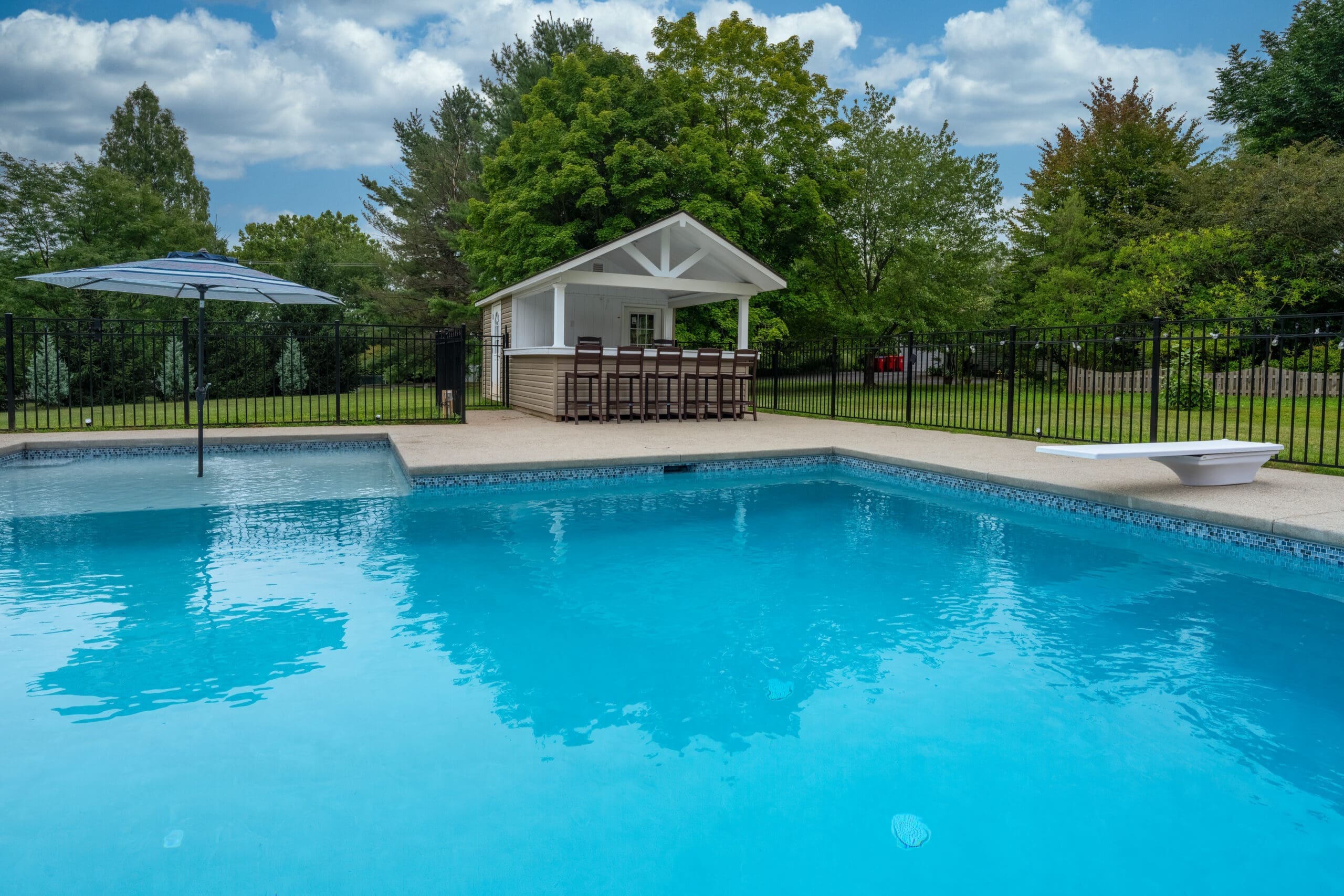
Custom inground pool built by Blue Tree Outdoor Living
Free Consultation

Designed and built as one project.

Free on-site consultation. Custom design with 3D presentation. One designer guiding you from first visit through warranty support.
Free Consultation
Let's design your outdoor space.
Tell us a bit about you. We'll be in touch within one business day to schedule your free on-site consultation across Southeastern PA
1
Information
2
Services
3
Project
What services are you interested in?*
What is your budget
What is your project timeline?
Consent*

Takes 30 seconds · Your information is private