Before a plant goes in or a stone is set, Blue Tree turns the homeowner's priorities into a buildable plan. The design team evaluates the site, slope, soil, drainage, light, and intended use, then coordinates the approved plan with the relevant installation teams. The exact sequence and responsibilities are documented for the project before construction.














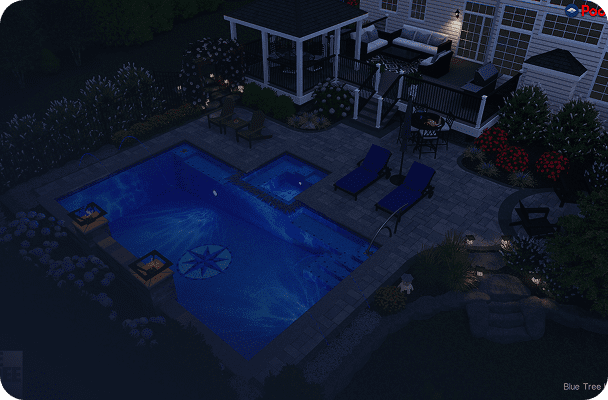
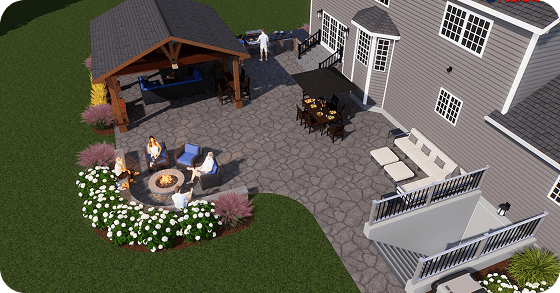
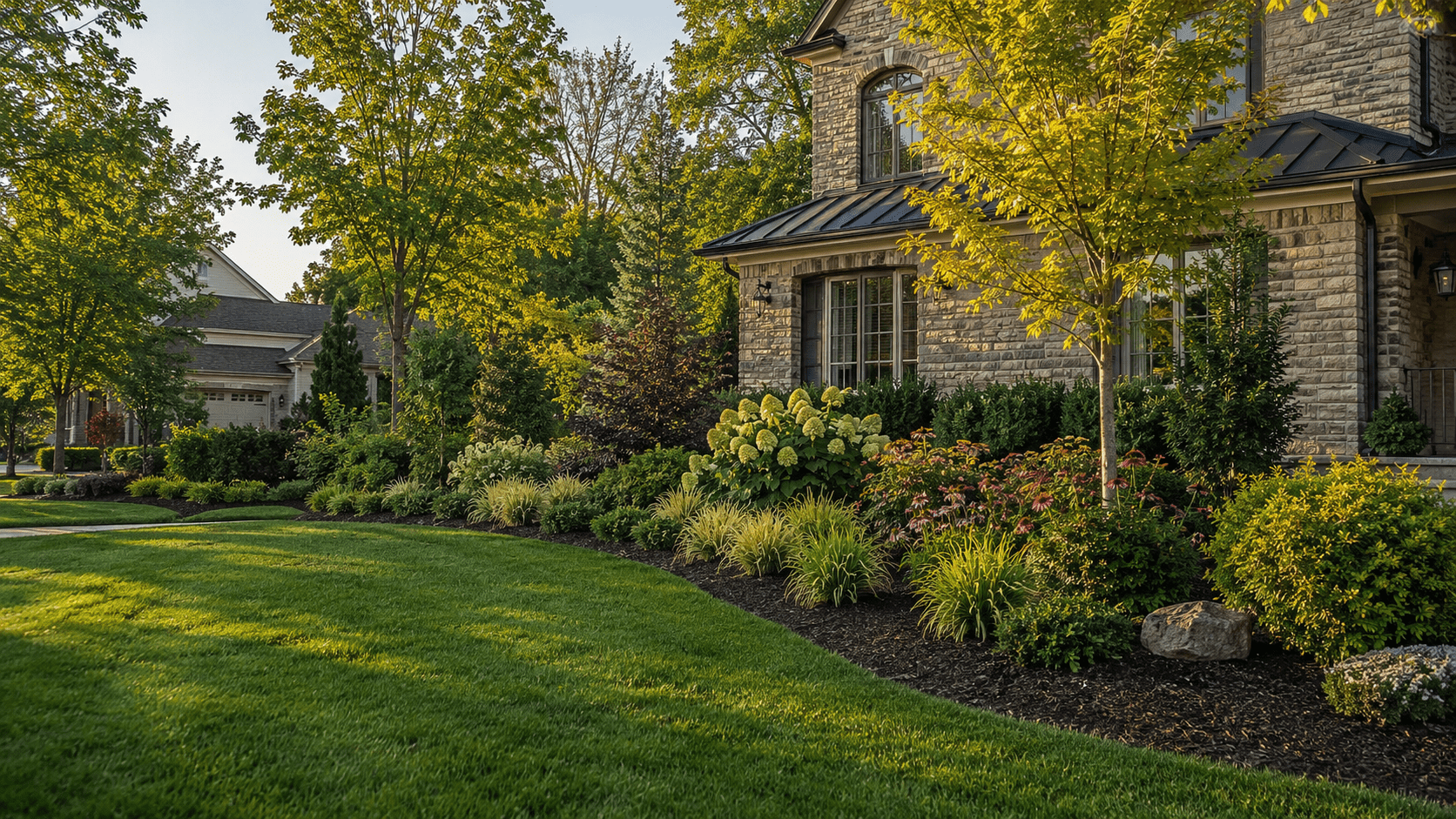
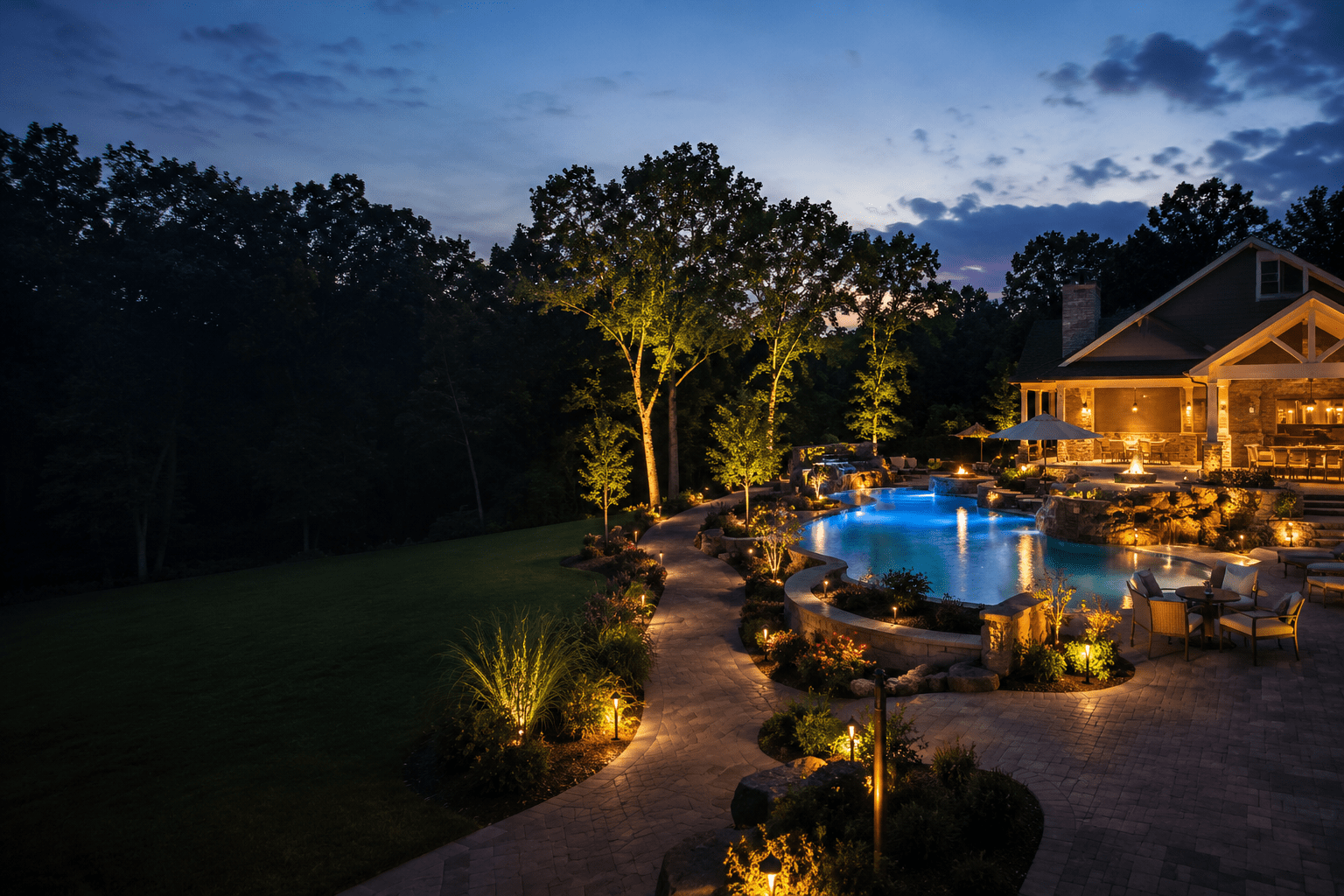
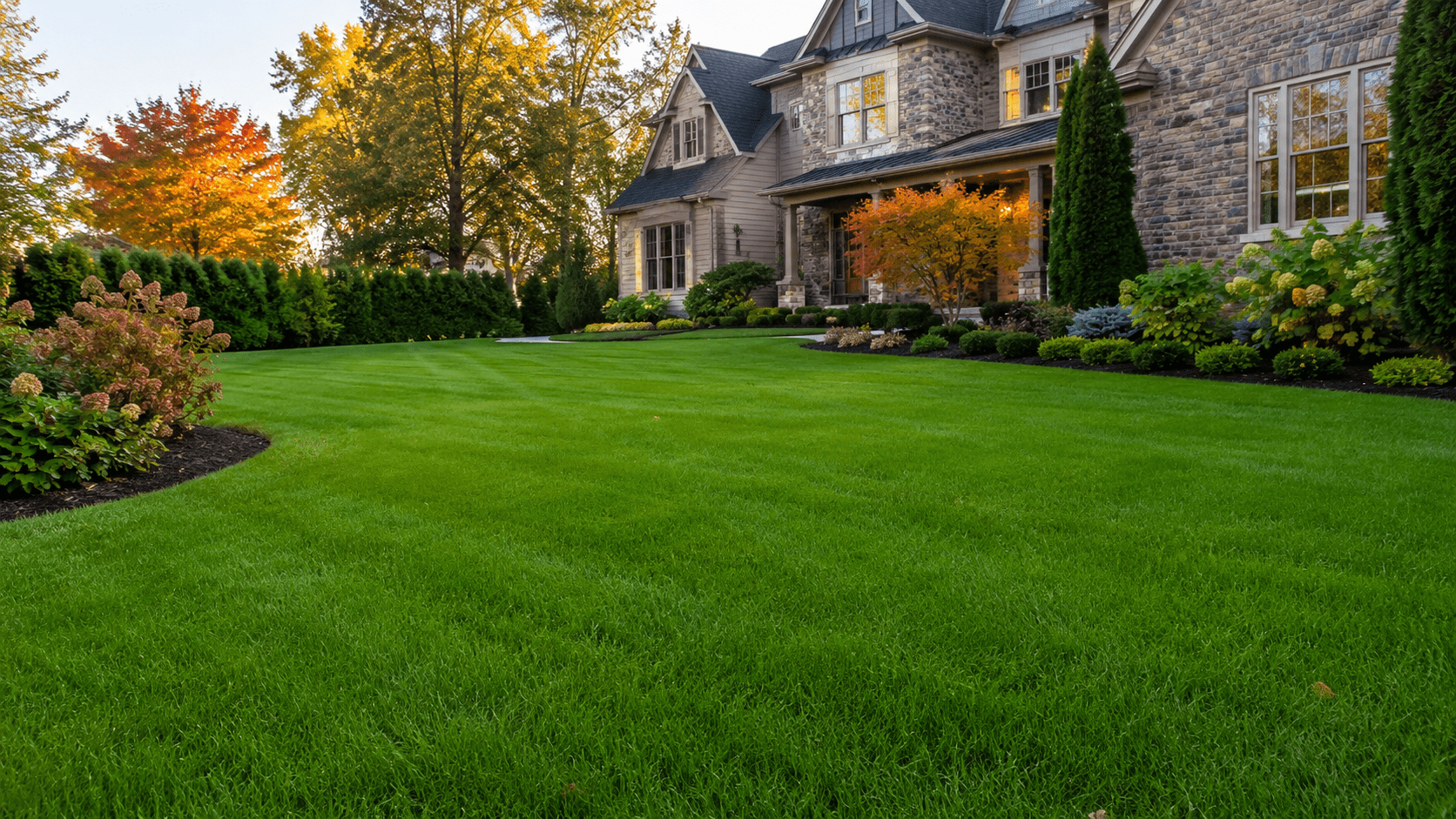
Most landscape companies either hand you a plan and disappear, or skip design and start digging. Blue Tree does neither. A degreed designer owns your project from the first site visit through installation, so the plan that gets drawn is the plan that gets built, by the same team. That designer studies your soil, drainage, sun, grade, and how you actually live outside, then designs the planting, hardscape, lighting, and drainage as one coordinated plan. Blue Tree has run this process across Montgomery, Bucks, Chester, Delaware, Lehigh, Berks, and Philadelphia Counties since 1983, with in-house permitting and 3D renderings that let you see the finished property before anything is built.
Written by Stephen Roehm, a Blue Tree landscape designer, and reviewed by John Mattiola, a Blue Tree landscape designer.
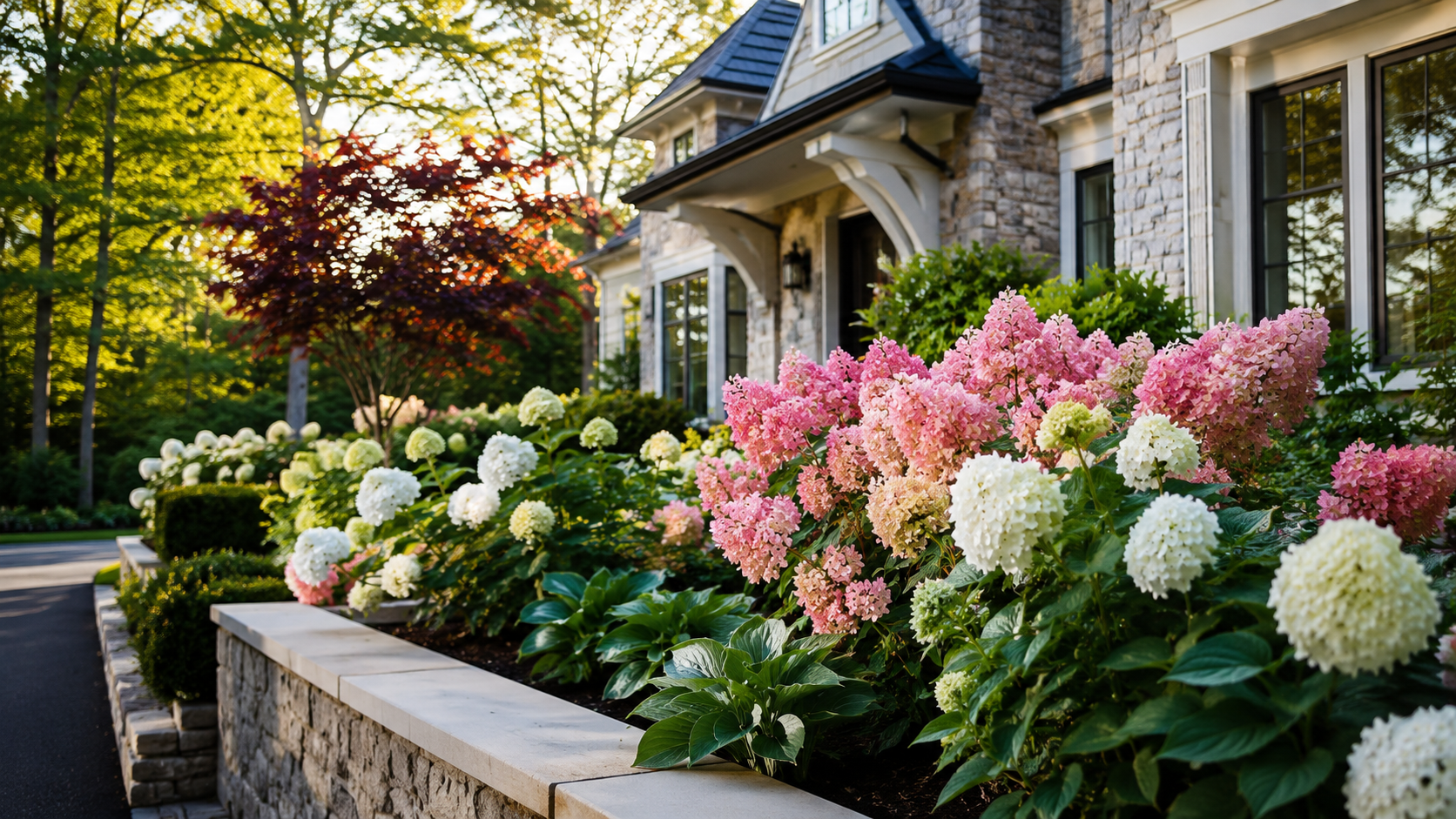
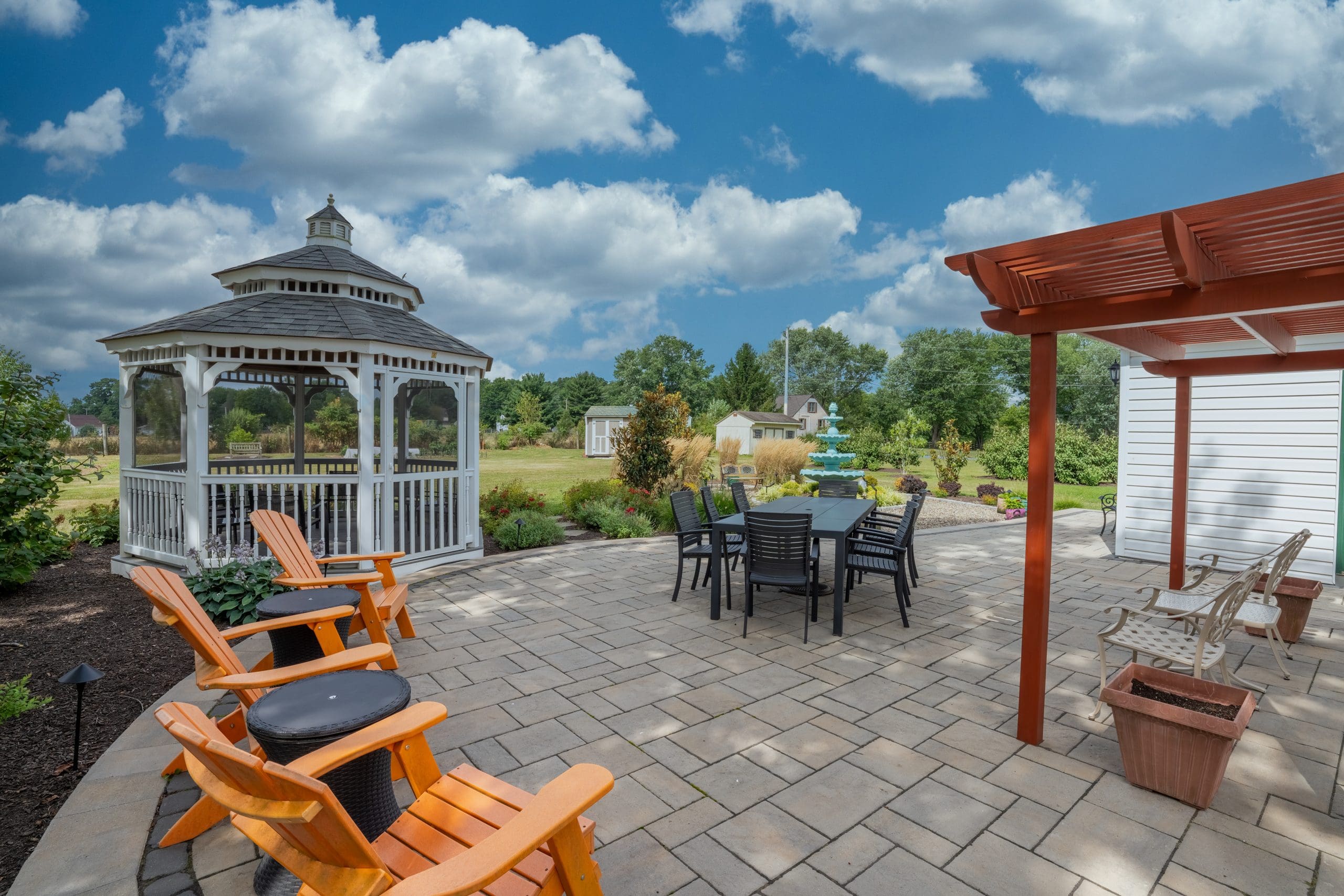
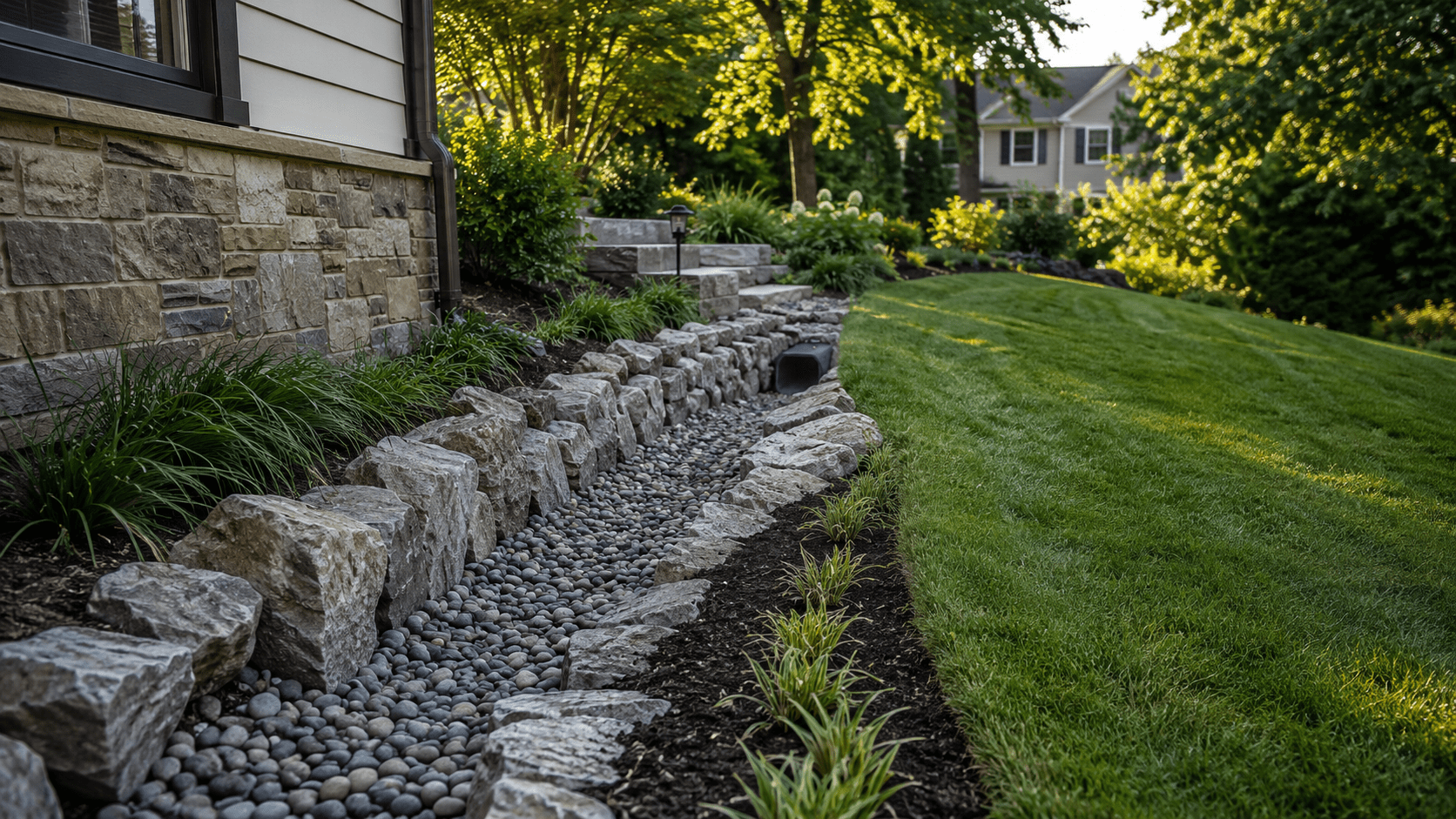
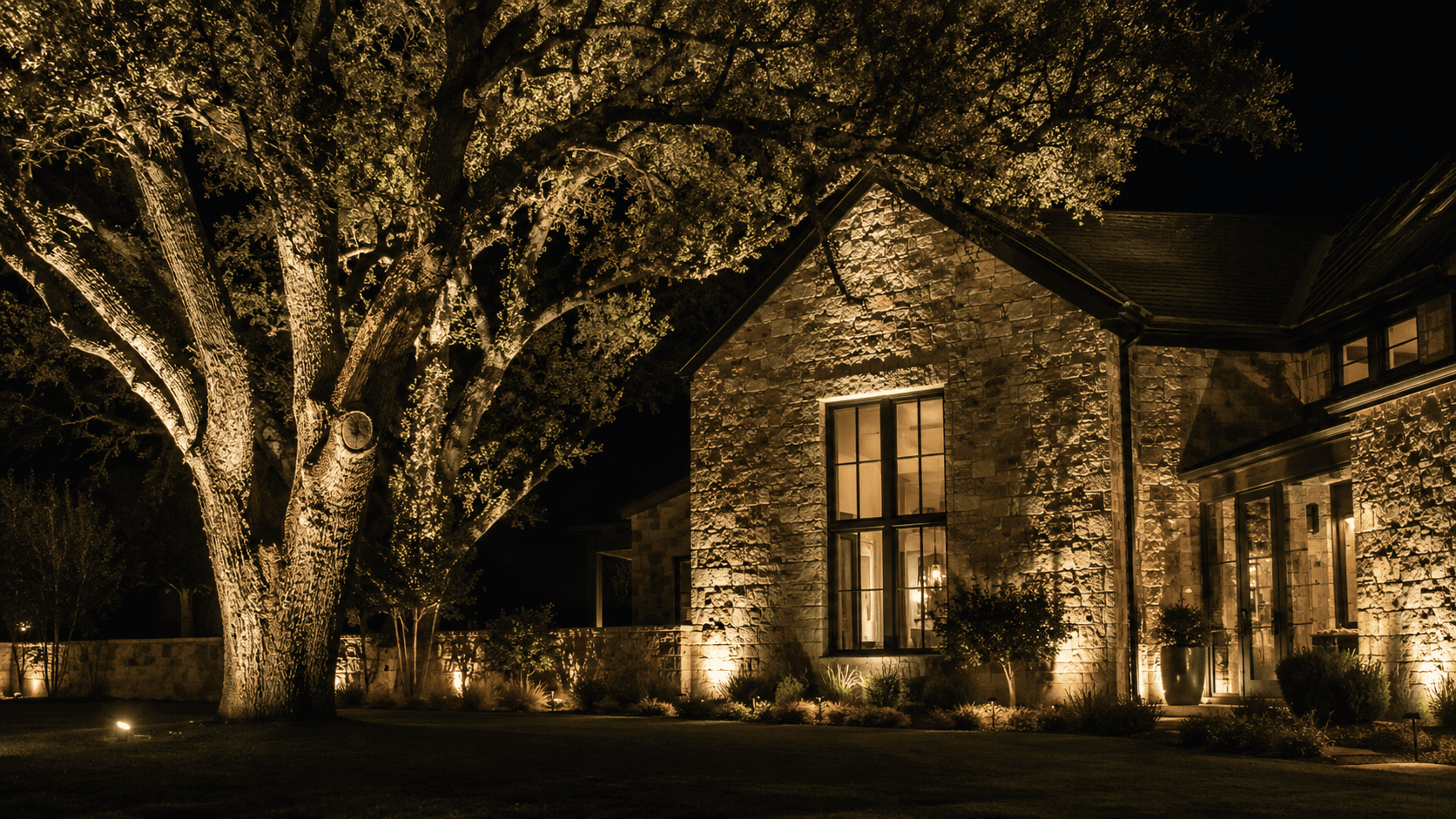
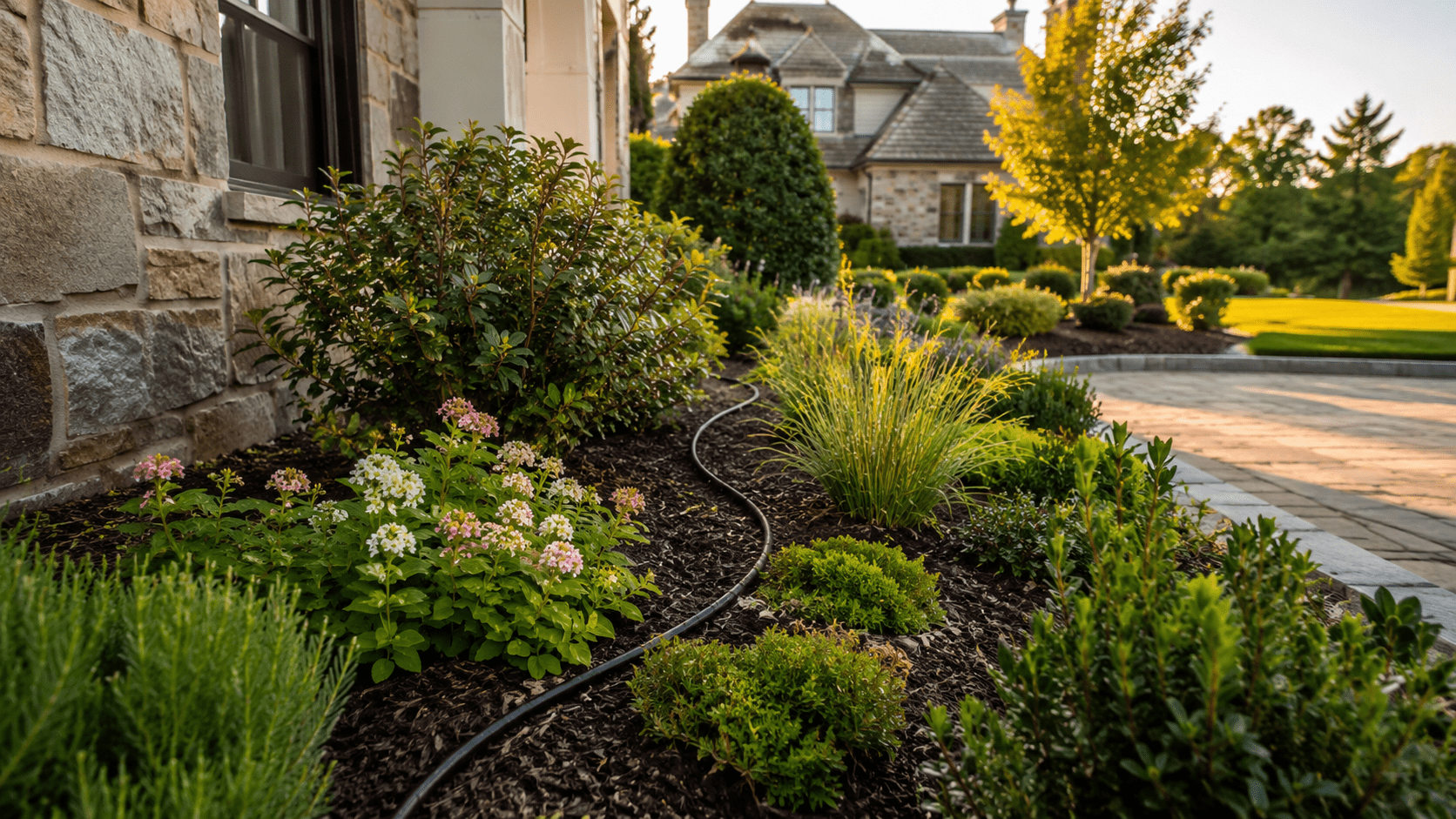
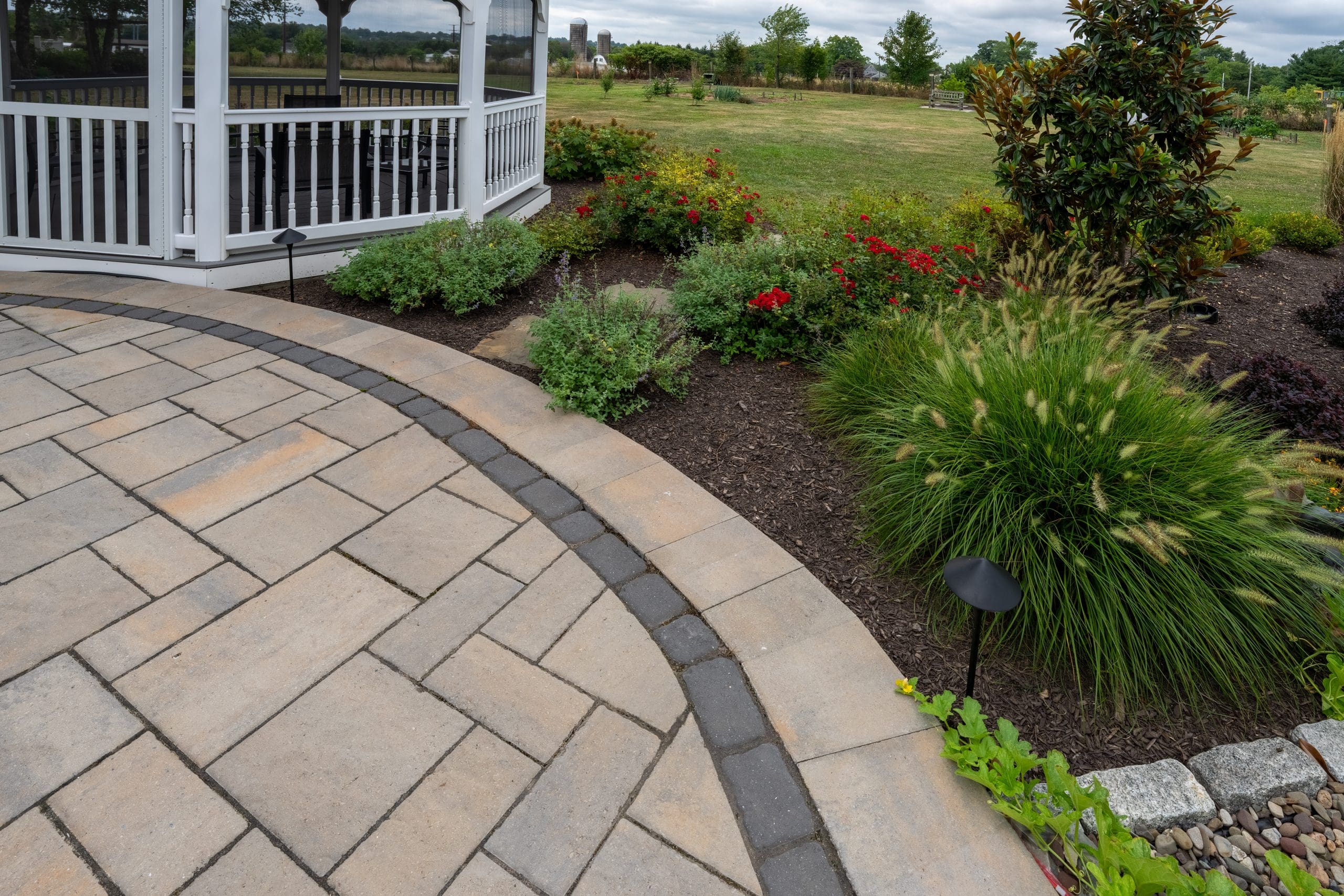
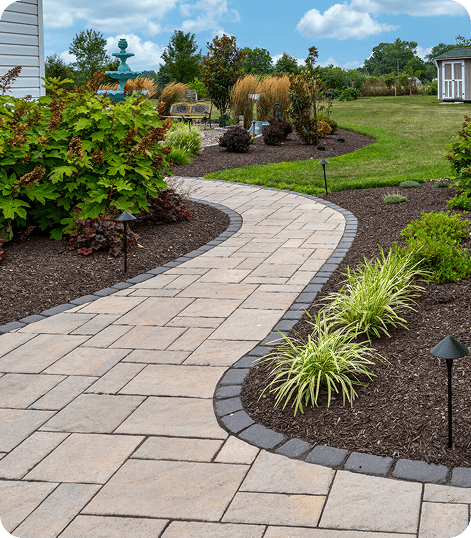
Landscape Installation. The same team that designs your landscape builds it, working from your approved plan. Explore landscaping.
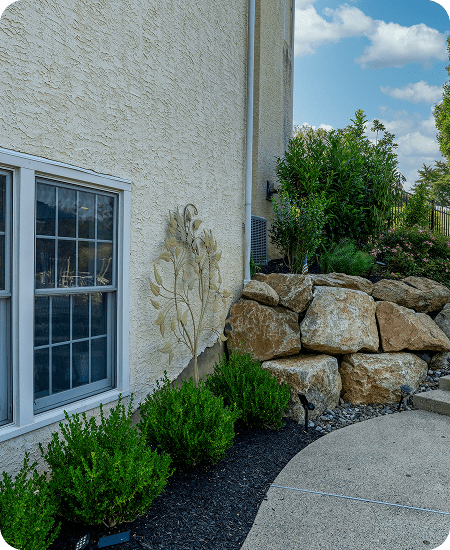
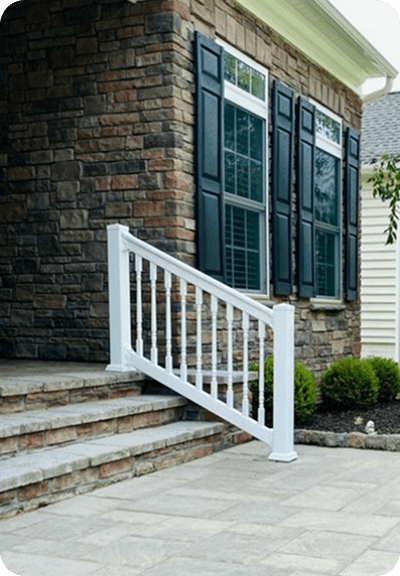
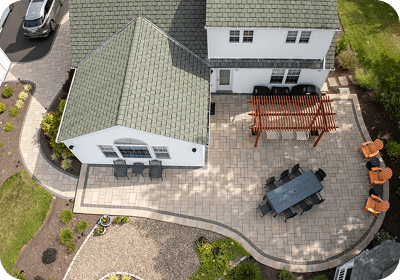
Hardscape Construction. Patios, walls, and walkways built into the design, not bolted on later. Explore hardscapes.
Ongoing Care. Planting, lawn, and bed maintenance handled by the same company through Premier Outdoor Services.
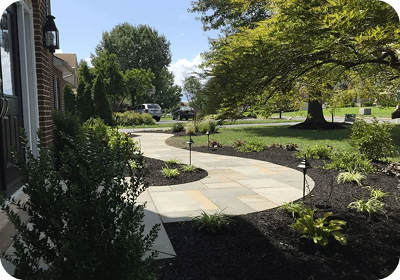
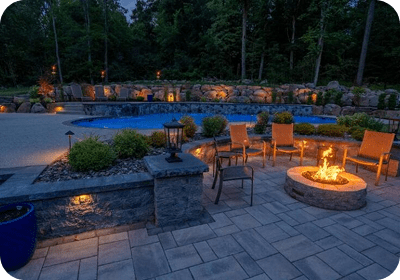
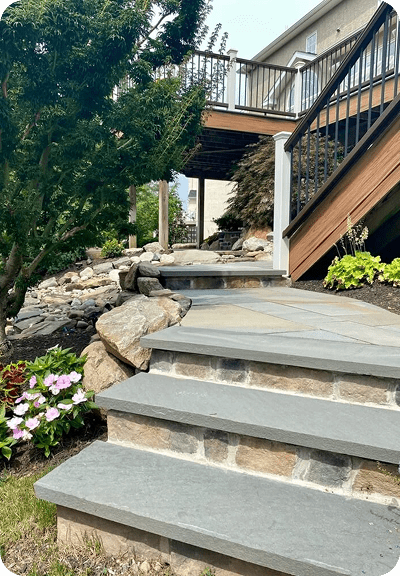
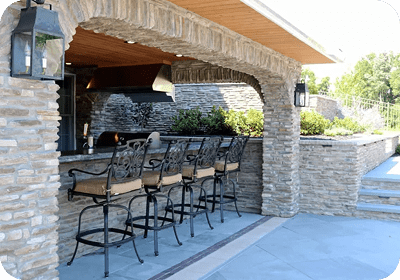
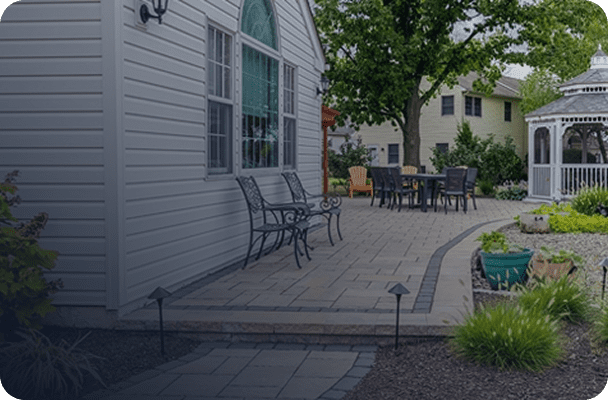
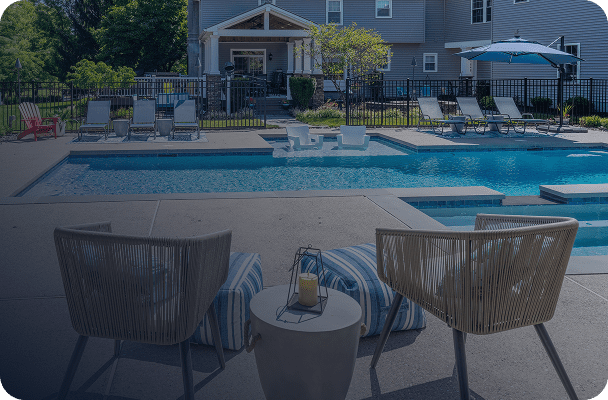
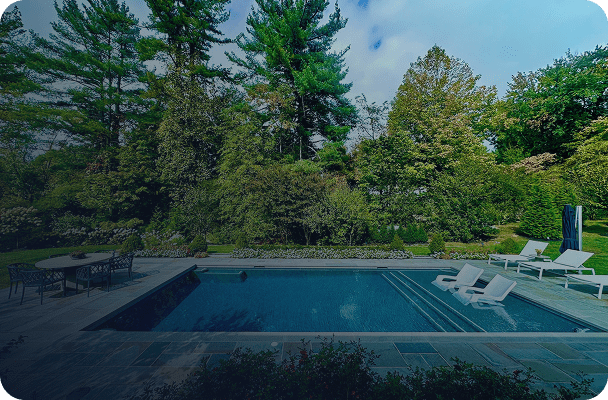
Pennsylvania's Landscape Architects' Registration Law regulates the title and practice of landscape architecture. The law expressly allows landscape contractors to prepare planting plans and incidental items, while work outside that scope may require a registered landscape architect, engineer, or other licensed professional depending on the project and local requirements. For a residential landscape project, look for relevant education, local plant and soil knowledge, a documented design process, and experience coordinating installation. John Mattiola holds a Penn State degree in Landscape Contracting. Blue Tree Outdoor Living has been in business for 43 years and currently serves Montgomery, Bucks, Chester, Delaware, Lehigh, Berks, and Philadelphia Counties. Blue Tree identifies project-specific permitting or licensed-professional needs during site evaluation.
The best planting window depends on what is being installed. Penn State Extension recommends early March through early May for bare-root tree seedlings and identifies spring, early summer, and fall as suitable establishment periods for native perennials. Container-grown trees and shrubs also depend on stock type, site conditions, soil moisture, and follow-up care. Blue Tree evaluates those factors and current weather before scheduling. Installations that face hot or dry conditions need a reliable watering plan. Your proposal confirms the recommended window for the selected plant material and property.
Phasing is not automatically better than completing a landscape at once. It can make sense when budget, access, seasonal planting windows, or construction sequencing makes a single build impractical. When a project is phased, Blue Tree plans the full property first and defines each phase so drainage, grades, hardscape, utilities, and planting still connect to one coordinated design. Some projects are better completed in one construction sequence, while others benefit from separate phases. The recommended approach depends on scope, site conditions, approvals, plant availability, and your priorities.

A short form · Your information is private