















Written by Chad Ochnich, Blue Tree's co-owner and ICPI-certified hardscape lead, and reviewed by James Gonczkowski, Production Manager and ICPI-certified hardscape installer.
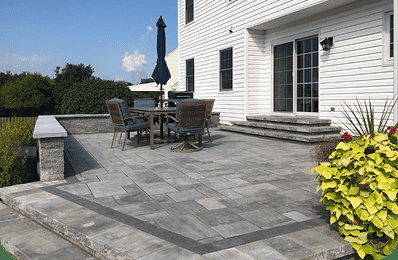
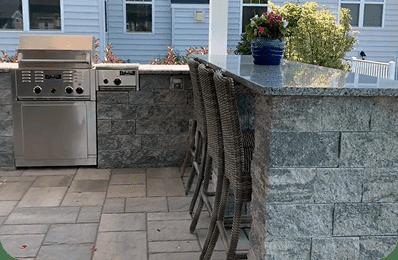
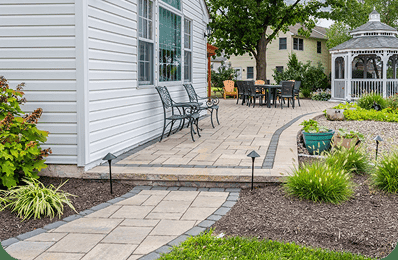
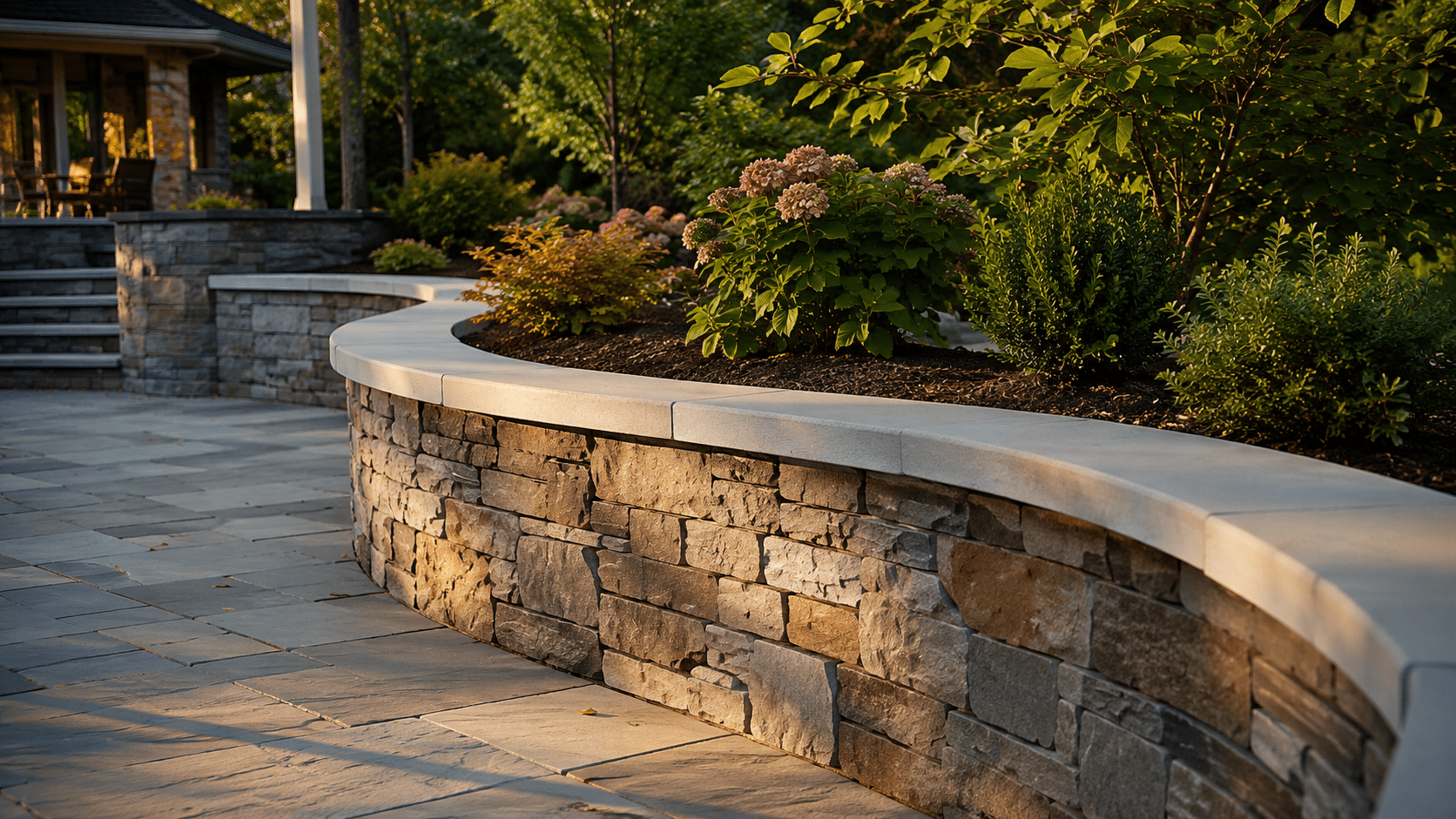
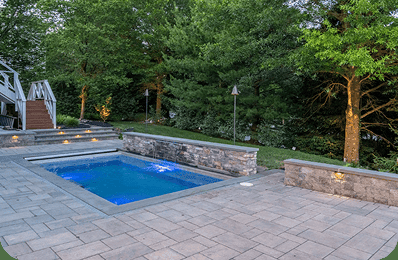
Jacob and Jose did a wonderful job refurbishing our patio over the past two days. We will absolutely use them again in the future!
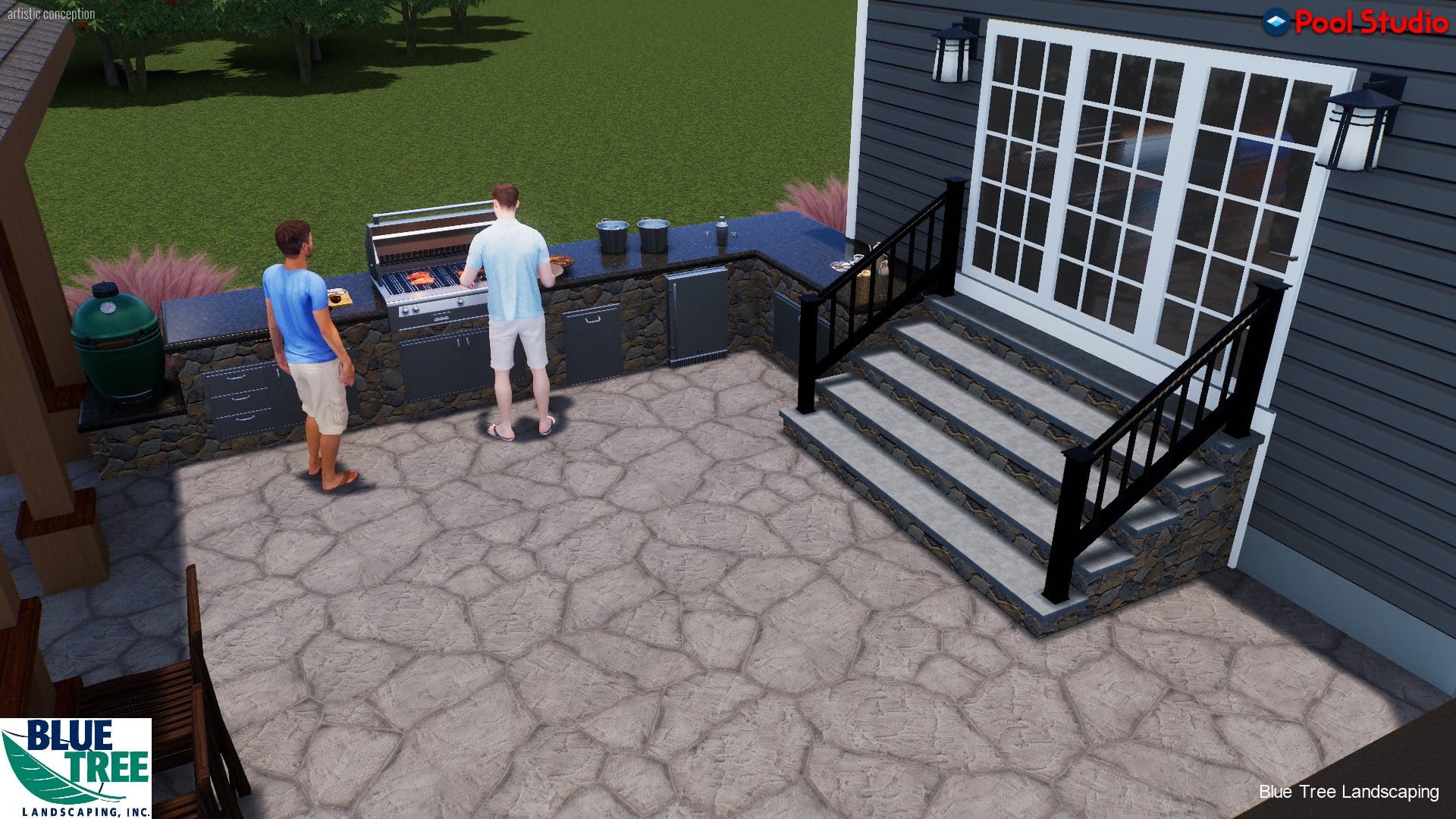
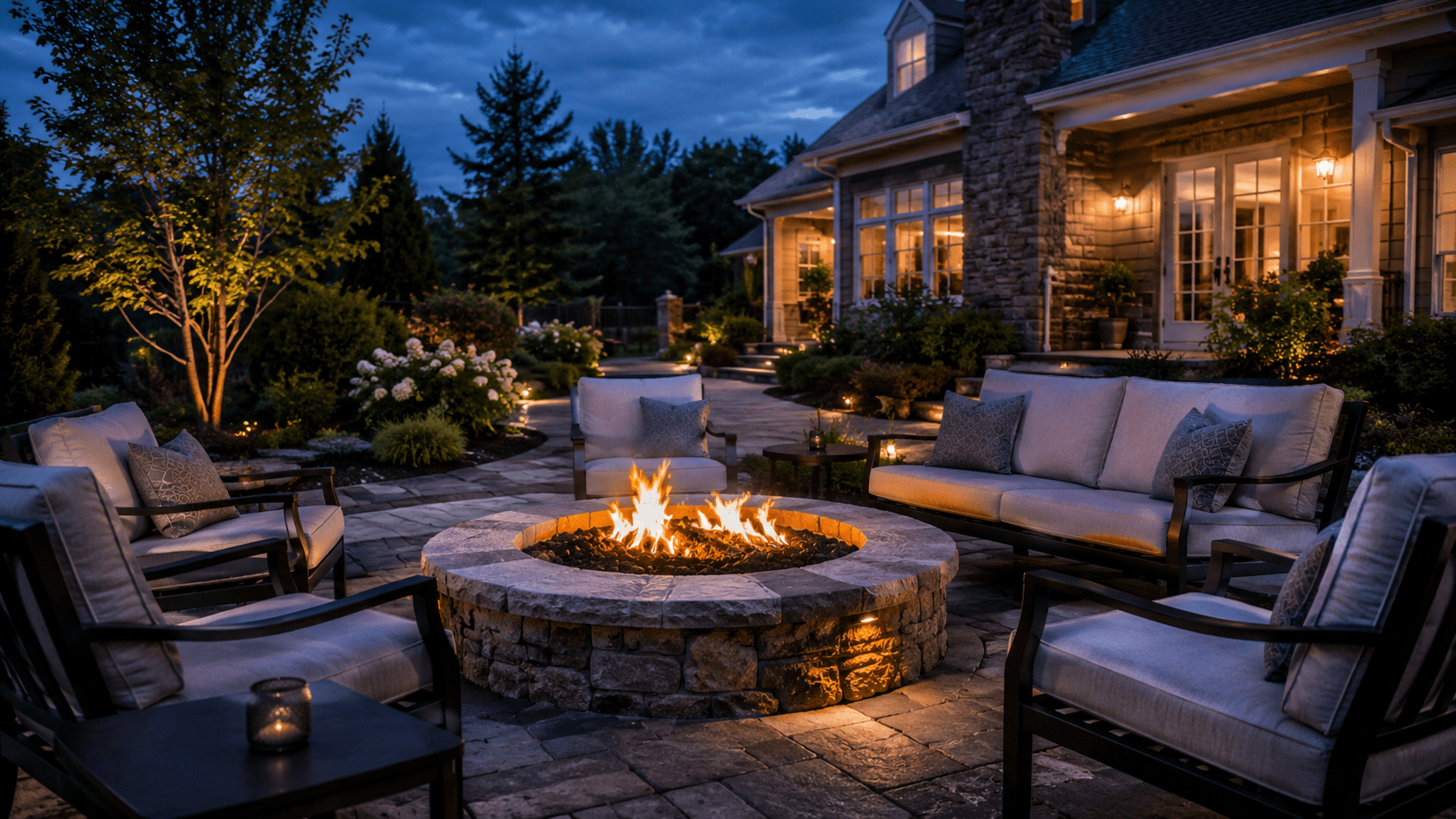
Blue Tree gave us the outdoor room we have been dreaming of for years! The design, all phases of work, and the finished patio demonstrated a high level of quality. We will be enjoying this space for years to come!!
Truly an excellent experience working with blue tree. Have used them several times now. Pool, landscaping, and now a beautiful stone patio. Strongly recommend
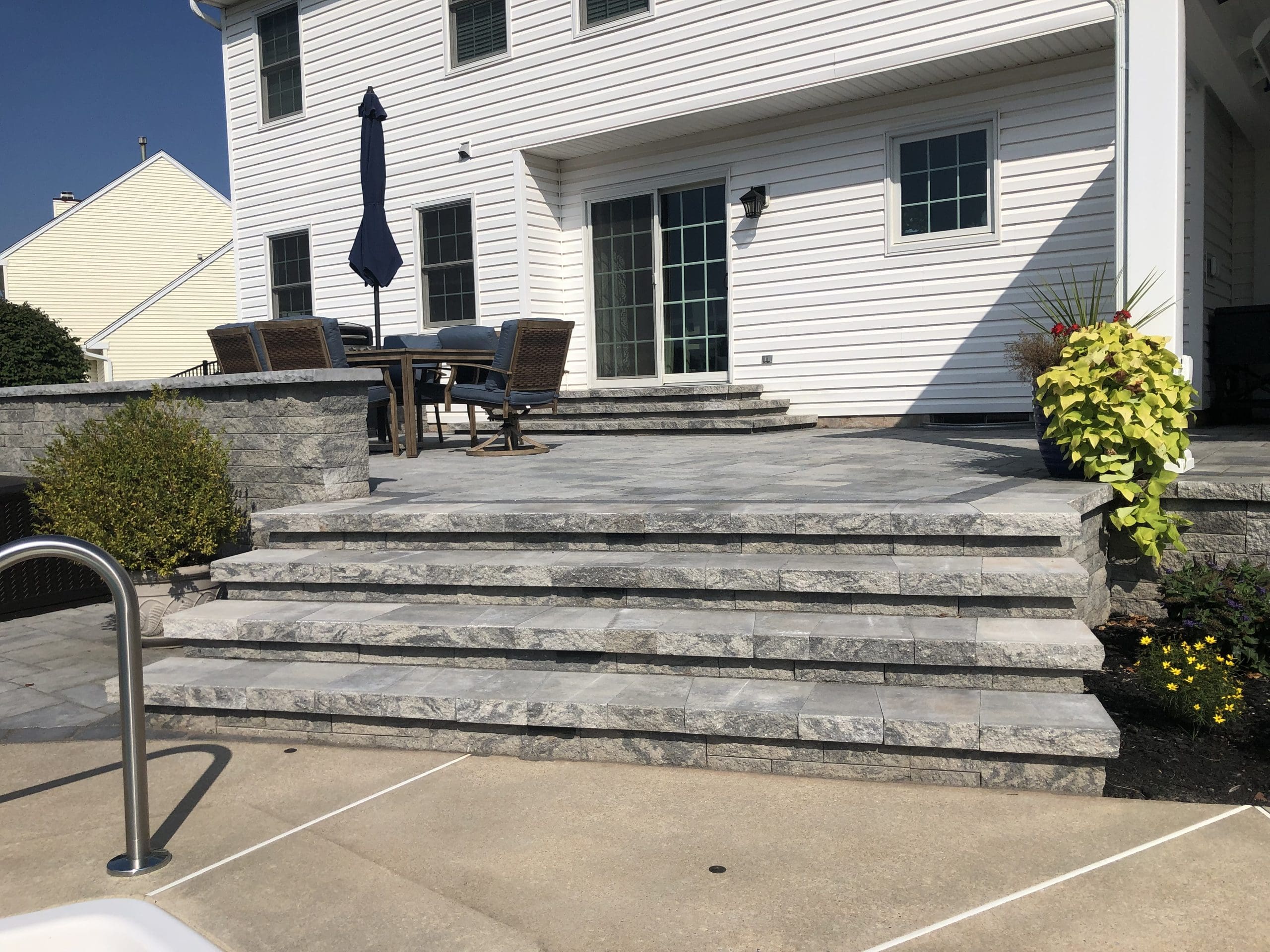
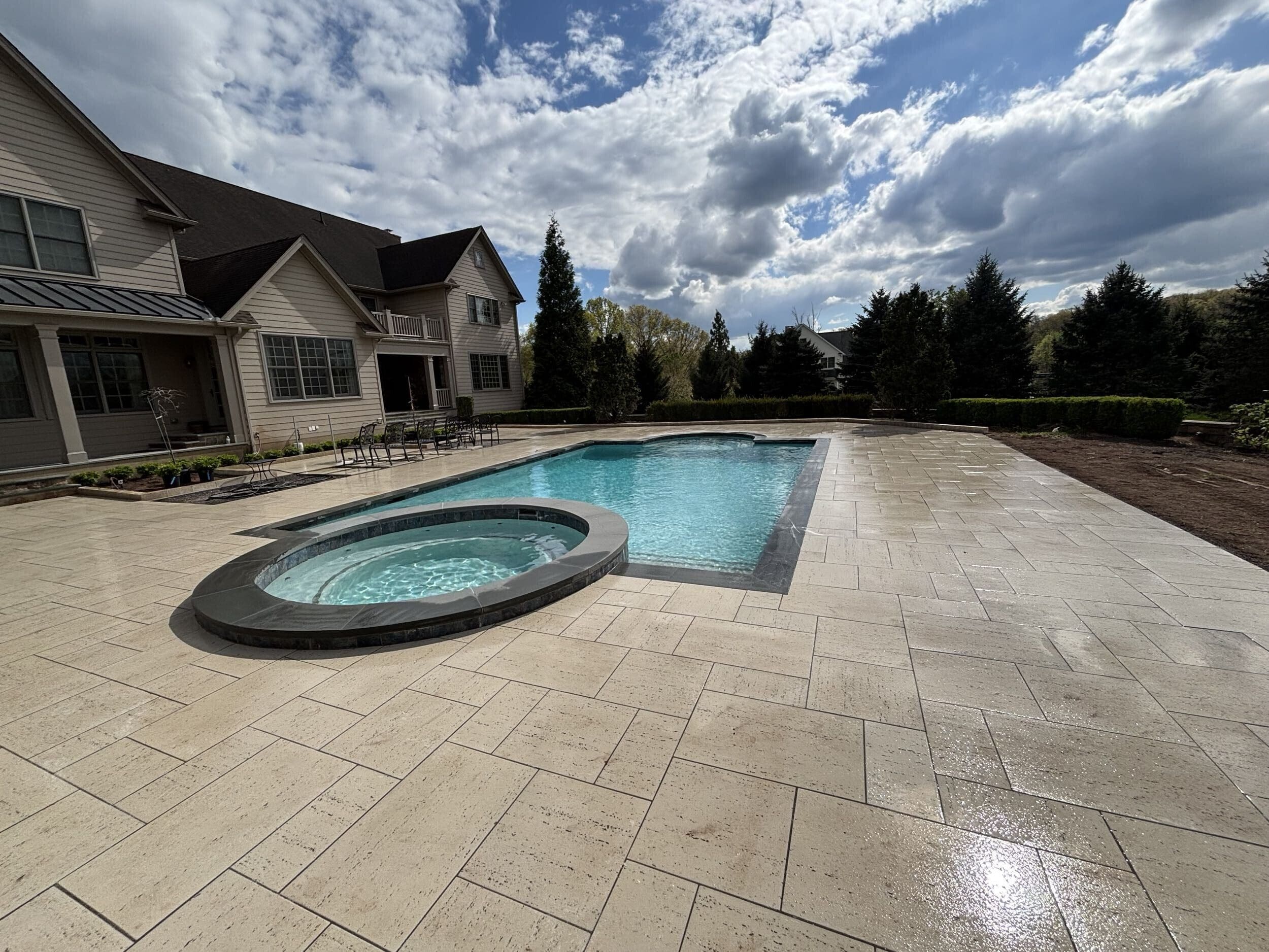
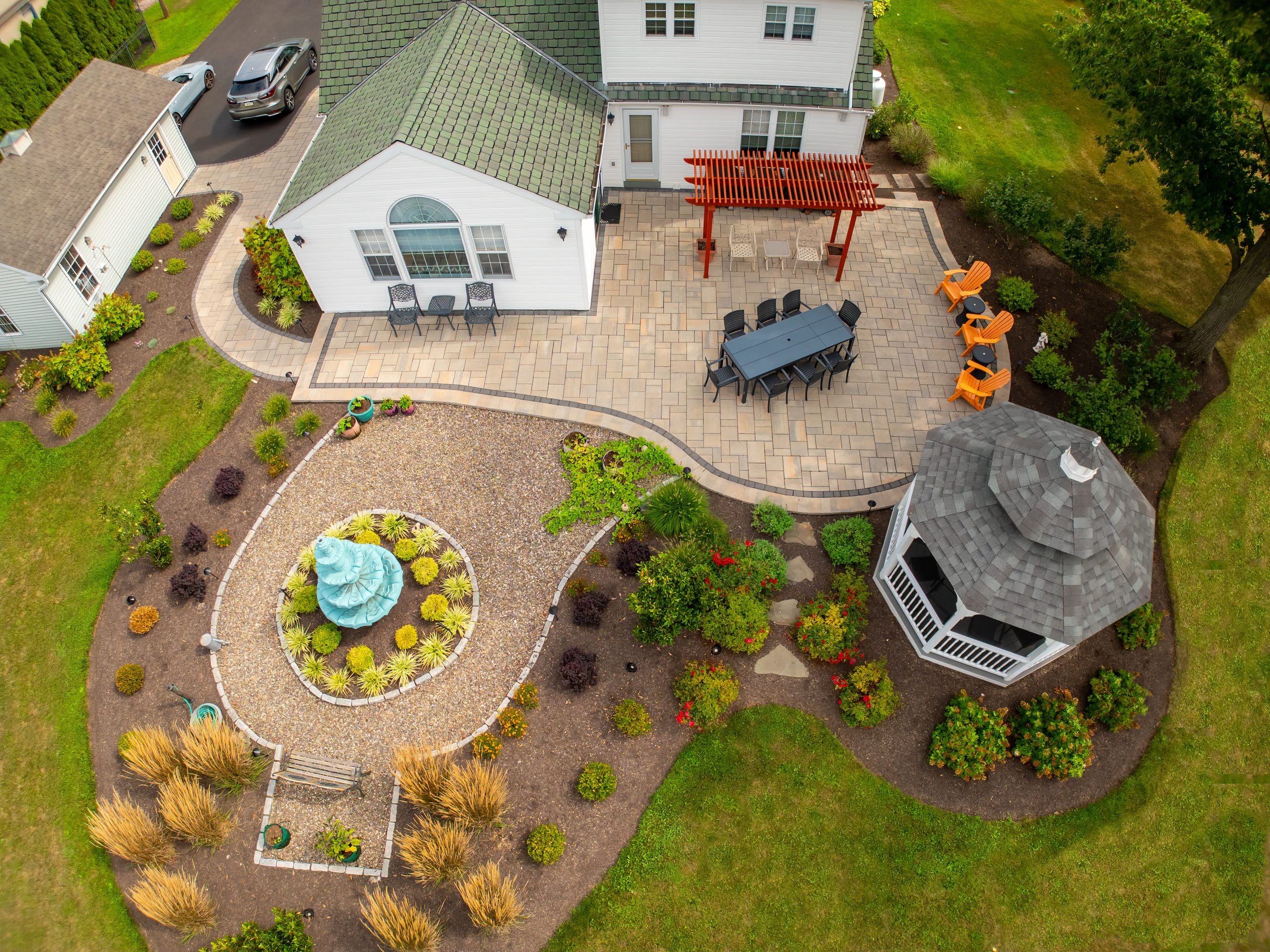
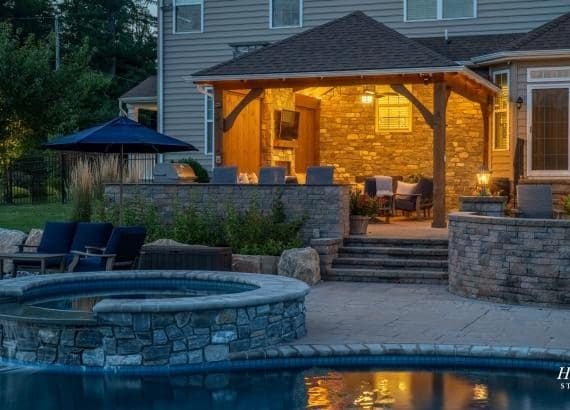
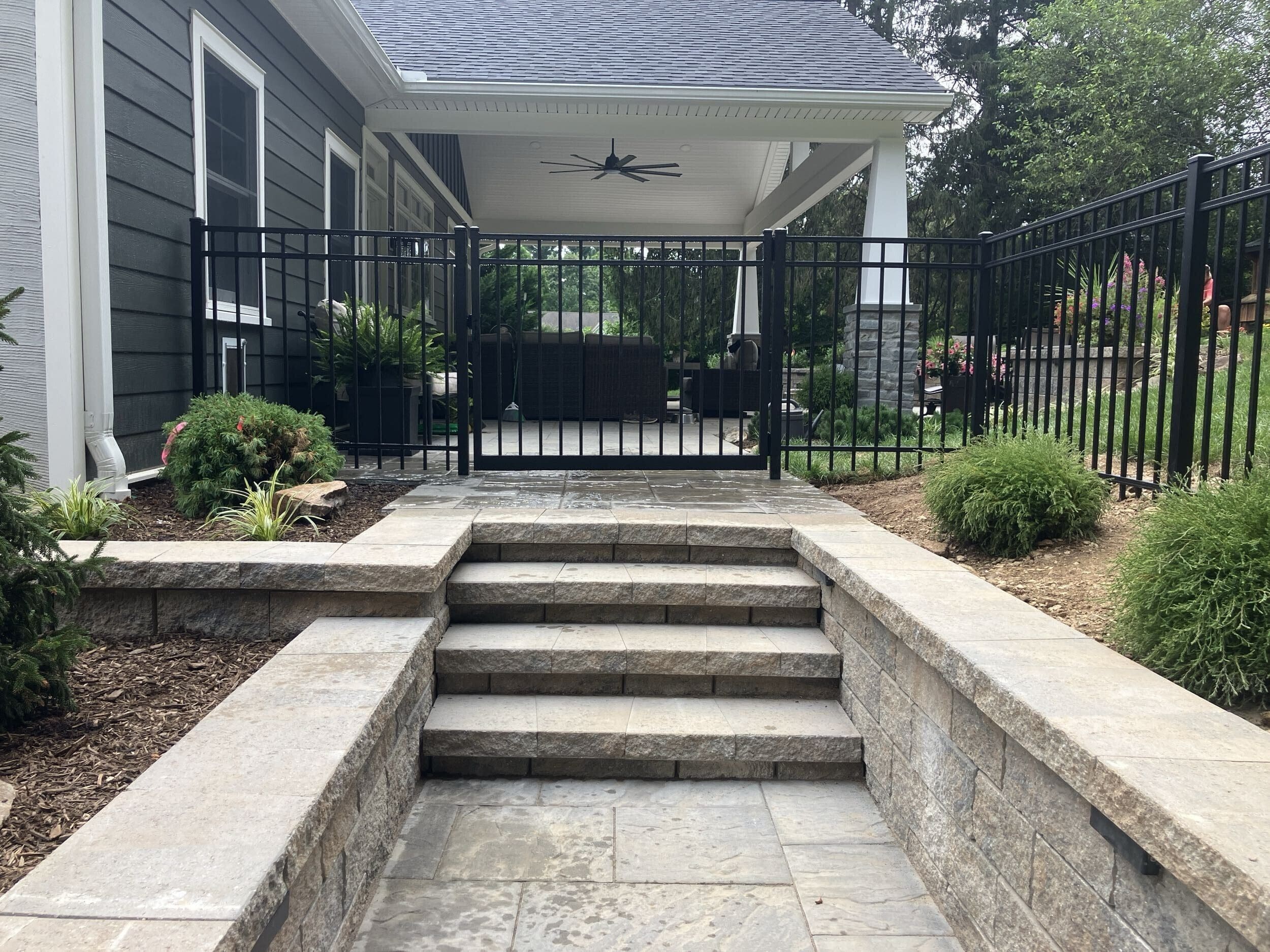
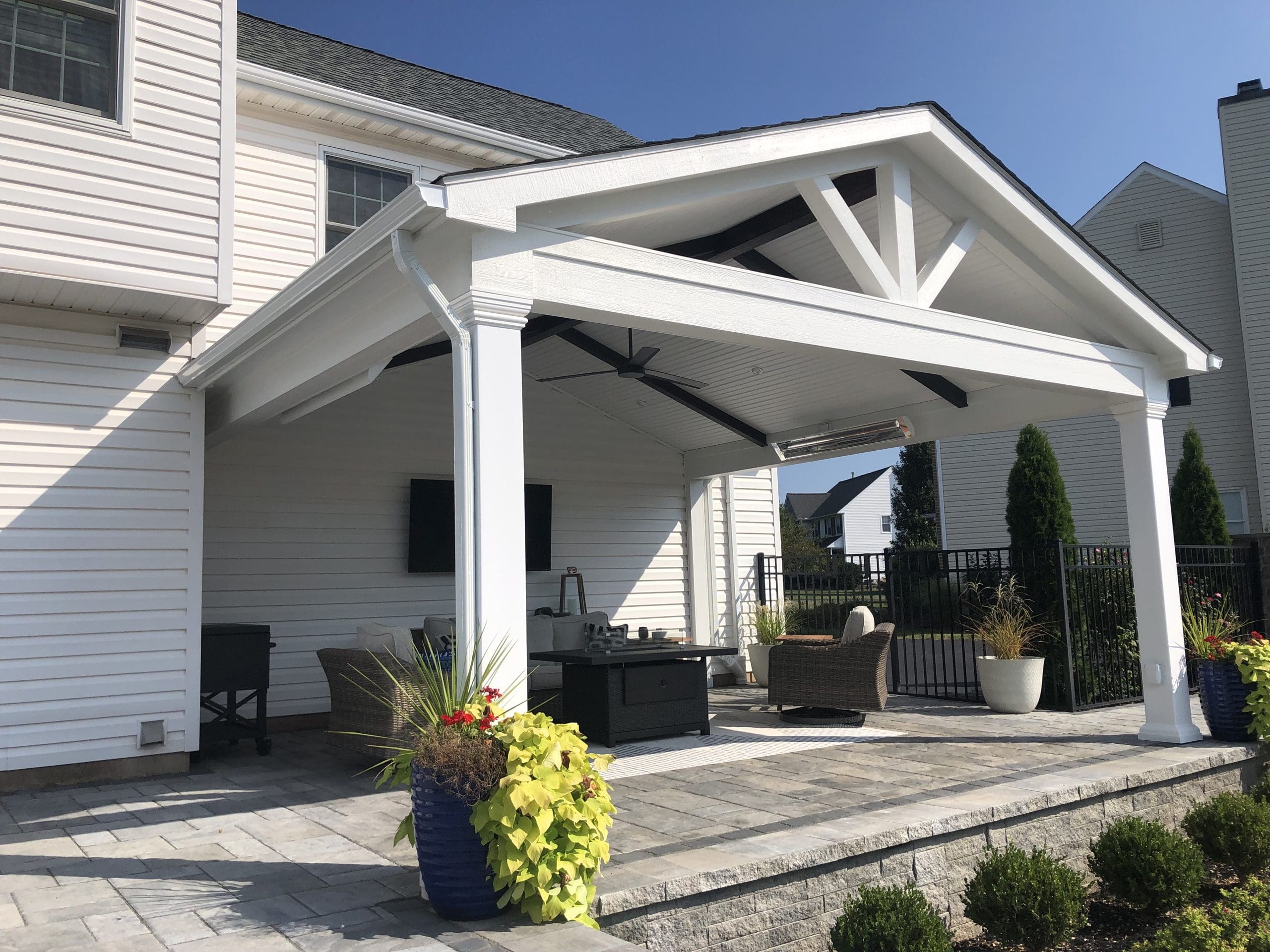
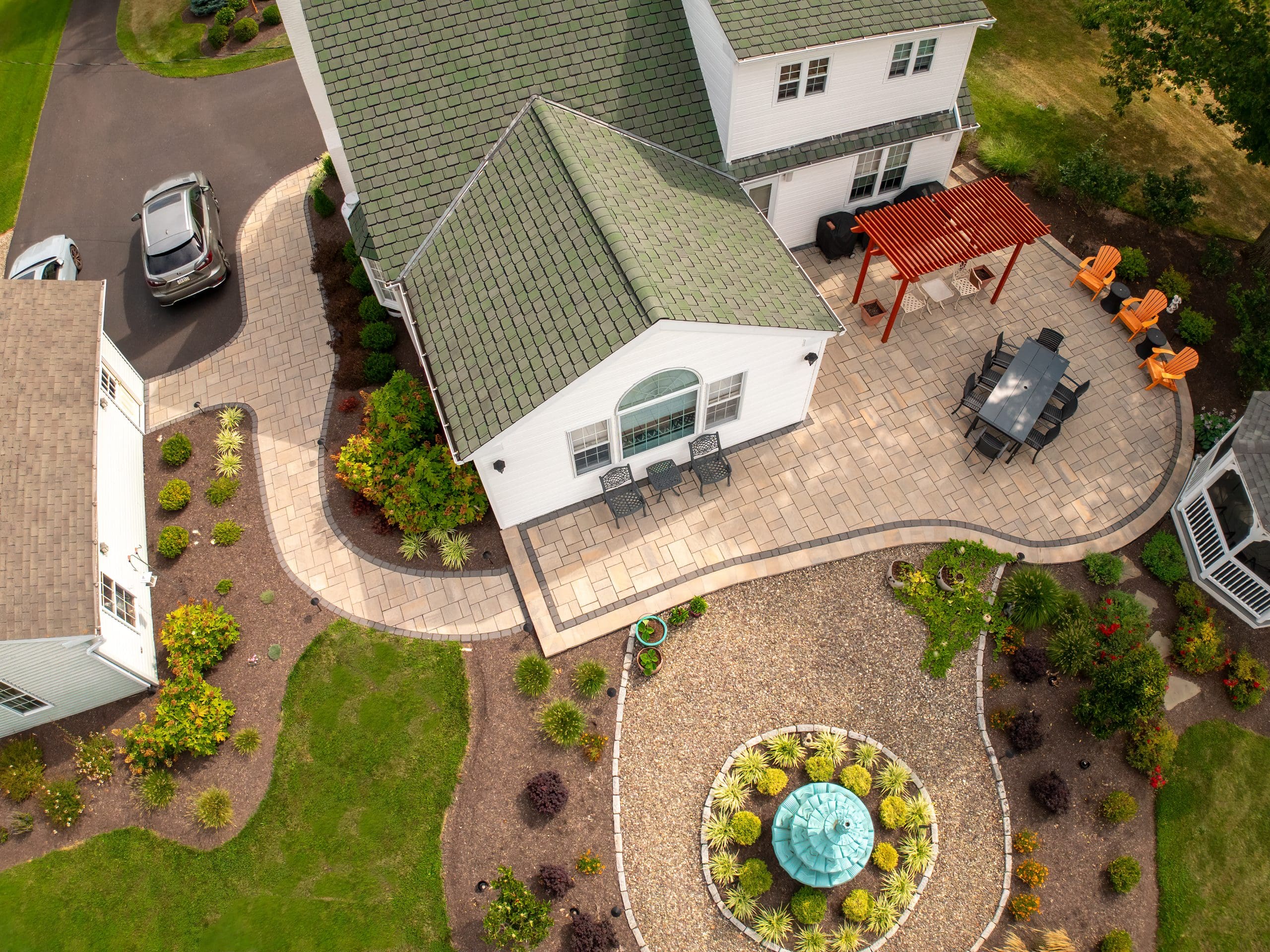
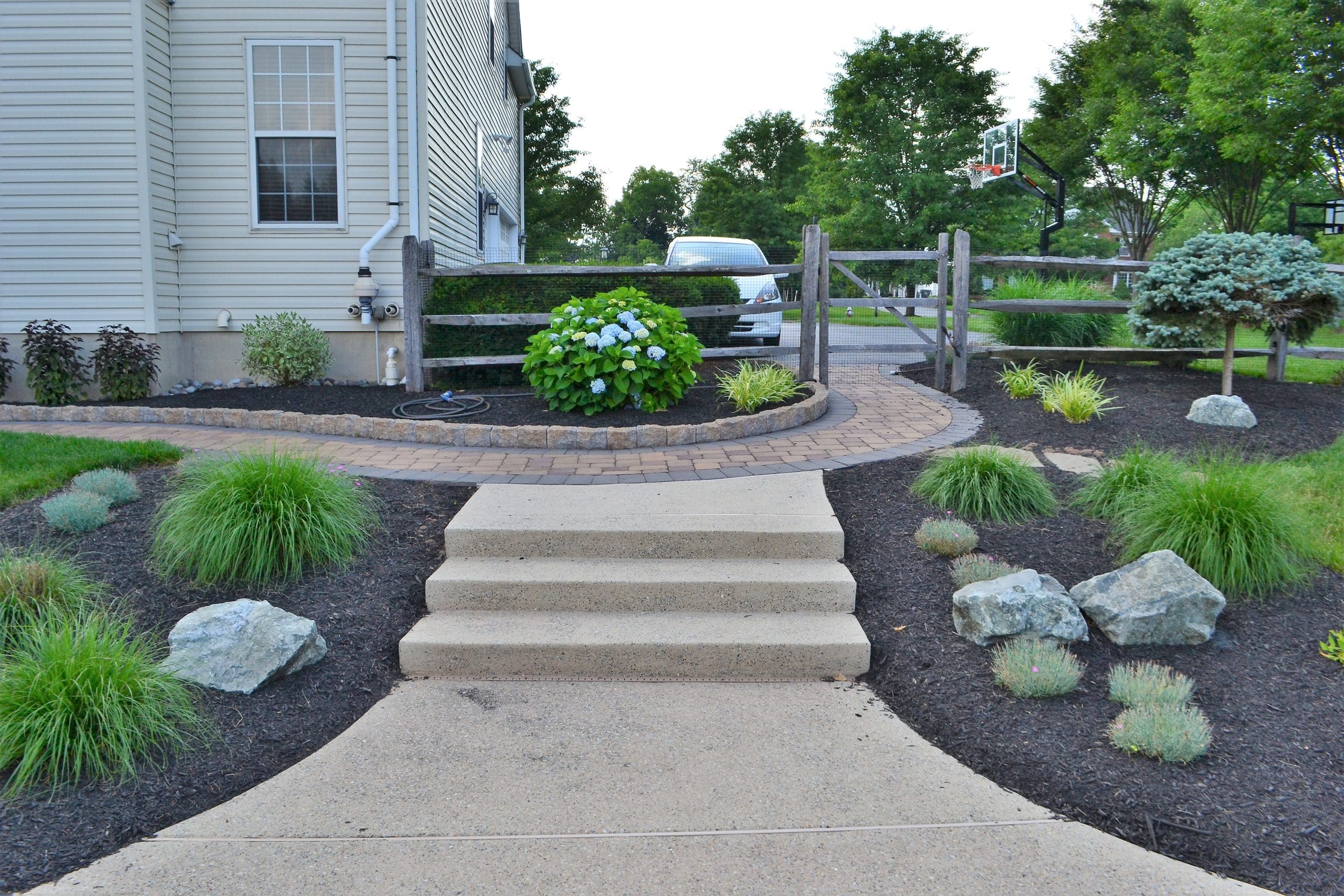
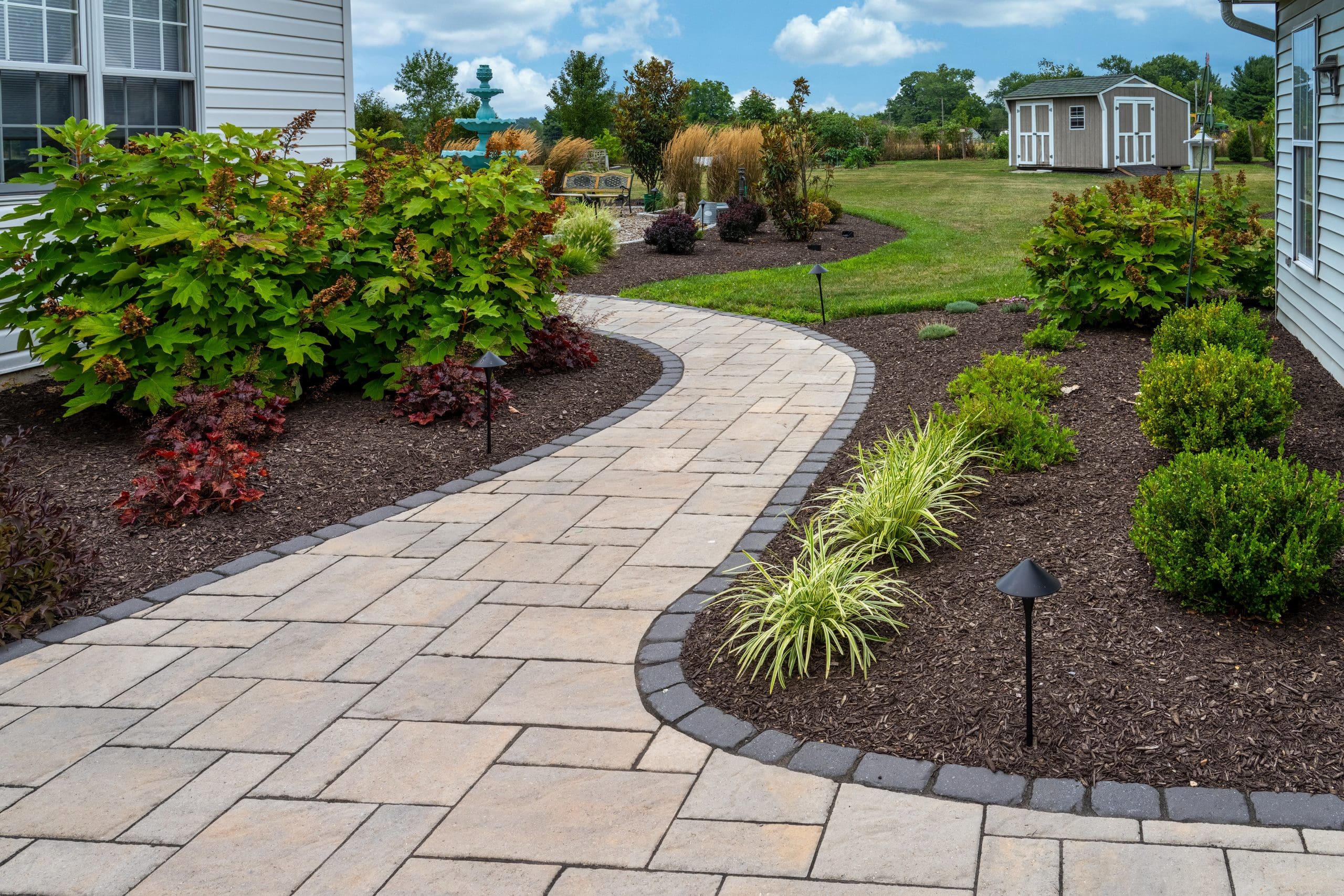
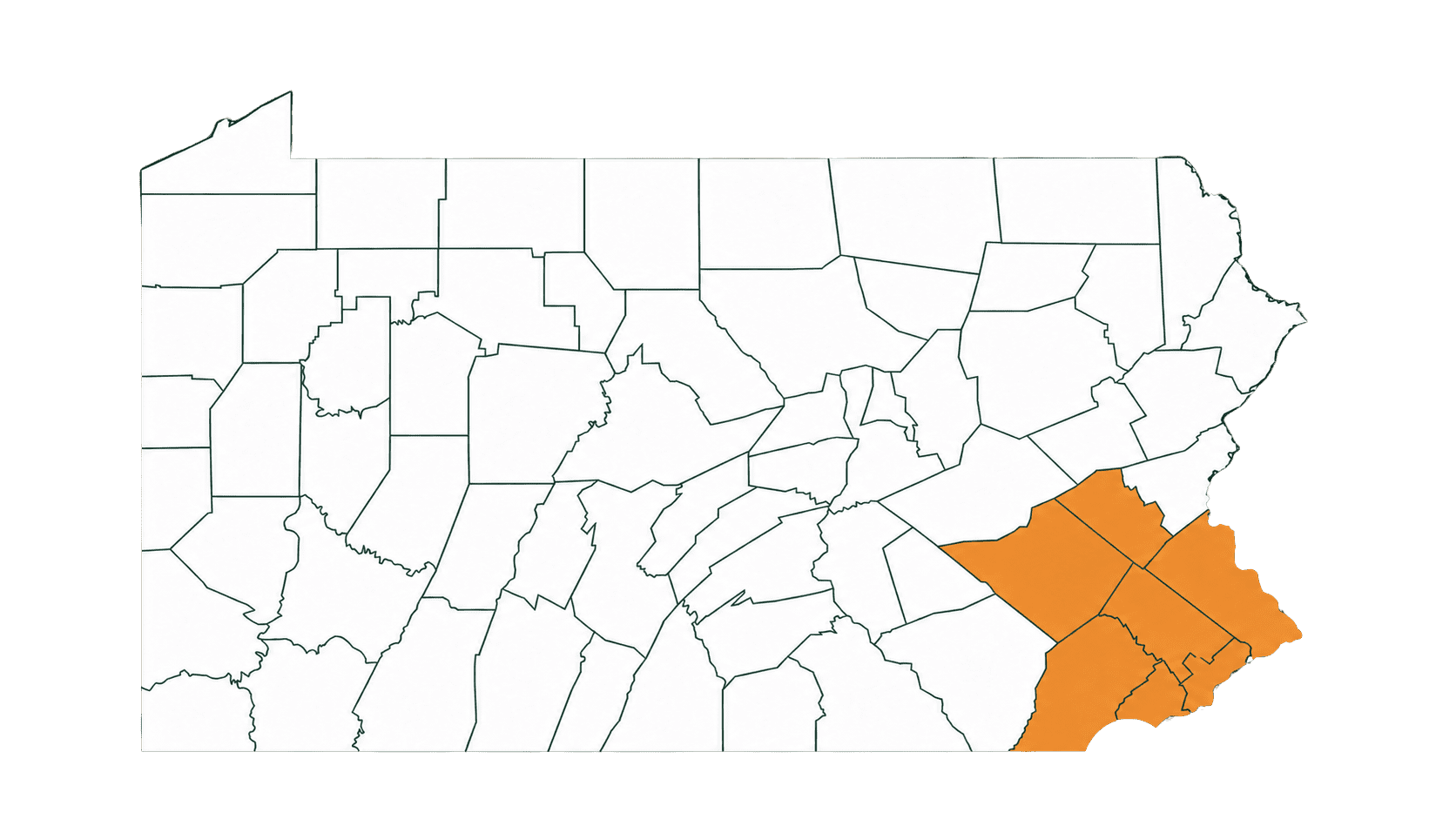
For a quality paver patio in Southeastern PA, typical installed cost runs $18 to $40 per square foot. Natural stone such as bluestone, flagstone, or travertine typically runs $25 to $55 per square foot. Material, pattern, excavation, base depth, access, drainage, steps, walls, lighting, and other built-in features can change the final price. Blue Tree provides an itemized project price before work begins.
Patio permit and zoning requirements vary by municipality. A patio may count toward a property's impervious surface limit, and larger or more complex projects may require zoning, building, grading, or stormwater review. Blue Tree checks the requirements that apply to the property before the final layout is approved and coordinates the permits included in the project scope.
Concrete pavers and appropriate natural stone can both perform well through Southeastern PA freeze-thaw cycles when installed over a correctly excavated, drained, and compacted base. Material choice should also account for appearance, maintenance, budget, surface texture, and how the patio connects to the home and surrounding landscape. The base and drainage plan matter as much as the surface material.
A properly installed paver patio can serve a property for decades. Longevity depends on excavation depth, subgrade conditions, base material, compaction, drainage, edge restraint, joint maintenance, and site use. Blue Tree plans those below-surface details before installation so the patio is built for the property's actual conditions.
Yes. Many municipalities count patios toward a property's impervious surface total, but the calculation and treatment of permeable systems vary by township and project design. Blue Tree confirms the applicable local requirements before the patio footprint is finalized so coverage, drainage, and permit needs can be addressed during planning.
A patio built with the correct excavation, compacted aggregate base, drainage, edge restraint, and surface pitch is designed to manage Southeastern PA freeze-thaw conditions. Site conditions vary, so Blue Tree evaluates the soil, grade, runoff, and transitions before setting the construction plan. The finished patio is reviewed at the final walkthrough, with care and warranty information provided in writing.

Chad joined Blue Tree in 1995 and leads the hardscape division. ICPI-certified, he oversees every patio, wall, and walkway for proper base, drainage, and lasting structure.



A short form · Your information is private